Portrait Photography Lighting Tips for Professional Results is your gateway to mastering the art of lighting in portrait photography. Whether you’re a budding photographer or a seasoned pro, understanding the nuances of light can elevate your portraits from ordinary to extraordinary. In this guide, we’ll explore essential lighting setups, advanced techniques, and practical tips that will help you create stunning, professional-quality portraits that capture the essence of your subjects beautifully.
From the interplay between natural and artificial light to the strategic use of reflectors and diffusers, this comprehensive overview will equip you with the knowledge needed to harness light effectively. Discover how to avoid common mistakes and optimize your camera settings, ensuring that every shot you take is a masterpiece.
Understanding the Basics of Portrait Lighting
Portrait lighting plays a crucial role in photography, significantly impacting the mood and aesthetics of the image. Mastering the various lighting setups can elevate your portrait photography to professional levels. Understanding how light behaves and how to manipulate it will enable you to create stunning portraits that highlight your subject’s best features.Different types of lighting setups are essential for achieving various effects in portrait photography.
Common setups include natural light, three-point lighting, and split lighting. Each setup has its unique characteristics and applications.
Types of Lighting Setups
Natural light is often regarded as a favorite among portrait photographers due to its soft and flattering quality, especially during the golden hours. However, artificial lighting provides versatility and control, allowing photographers to create specific moods and effects. Here’s a breakdown of common lighting setups used in portrait photography:
- Natural Light: Utilizes sunlight, which can be diffused through curtains or reflected off surfaces to soften shadows.
- Three-Point Lighting: Comprises key light, fill light, and backlight; this setup provides depth and dimension to the subject.
- Split Lighting: Involves lighting one side of the face while leaving the other side in shadow, creating dramatic contrast.
- Rembrandt Lighting: Features a small triangle of light on the shadow side of the subject’s face, adding depth and a classic feel.
Importance of Light Direction
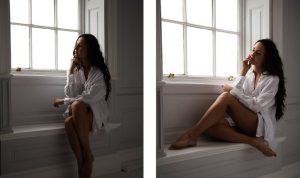
The direction of light is pivotal in shaping the subject’s appearance. It can enhance or diminish facial features, affect the perception of skin texture, and create various moods.
Discover the luxury of exquisite scents without breaking the bank! Our collection features Affordable Perfume Fragrances with Premium Scents that elevate your everyday experience. Indulge in captivating aromas crafted from high-quality ingredients, perfect for any occasion. Embrace your unique essence while enjoying great savings—because everyone deserves to smell fabulous!
“The direction of light can drastically change the emotional impact of a portrait.”
Key factors to consider regarding light direction include:
- Frontal Light: Flattens features and minimizes shadows, which is ideal for a soft, approachable look.
- Side Light: Creates depth and texture, emphasizing features and contours.
- Back Light: Produces a halo effect, perfect for creating an ethereal or dreamlike quality.
Natural vs. Artificial Lighting Techniques
The choice between natural and artificial light can significantly shape the outcome of your portraits. Natural lighting is dynamic, changing with the time of day and weather, while artificial lighting offers consistency and control.
Discover the allure of luxury without breaking the bank with our Affordable Perfume Fragrances with Premium Scents. Each fragrance is crafted to deliver a high-end experience, featuring captivating notes that elevate your presence. Indulge in exquisite scents that embody sophistication, allowing you to express your unique style effortlessly. Embrace the elegance you deserve today!
- Natural Light Techniques: Utilize reflectors to bounce light back onto the subject, enhance shadows, or create soft diffused lighting.
- Artificial Light Techniques: Employ softboxes for diffused light, or speedlights for portable and adjustable lighting solutions.
Understanding these concepts allows photographers to choose the appropriate lighting setup, ensuring their portraits resonate with emotion and creativity.
Advanced Lighting Techniques for Professional Portraits
In the world of portrait photography, mastering advanced lighting techniques can elevate your work from ordinary to extraordinary. Professional results hinge not only on camera settings but also on how you manipulate light to flatter your subjects and create stunning visuals. This section will delve into the effective use of reflectors, diffusers, off-camera flash, and methods for balancing ambient light with flash.
Using Reflectors and Diffusers
Reflectors and diffusers are essential tools for enhancing portrait lighting, allowing photographers to control and modify light in creative ways. Reflectors bounce light back onto the subject, filling in shadows and adding a natural glow, while diffusers soften harsh light, creating a more flattering appearance. The importance of reflectors and diffusers can be summarized as follows:
- Reflectors: Utilize different colors—white for neutral light, silver for a cool tone, and gold for a warm effect.
- Diffusers: Place in front of direct sunlight or harsh artificial lights to soften shadows and reduce the intensity of the light.
- Positioning: Experiment with angles and distances; placing a reflector close to the subject can create a more intense effect, while a further distance yields softer results.
Reflectors and diffusers transform harsh light into a soft, flattering glow, ensuring subjects shine.
Using Off-Camera Flash
Off-camera flash opens up a world of creative possibilities in portrait photography. By detaching your flash from the camera, you can create dynamic lighting setups that enhance the mood and style of your portraits. Some key points to consider when deploying off-camera flash include:
- Flash Positioning: Experiment with different angles—side, high, or low—to create varied shadows and highlights.
- Lighting Modifiers: Attach softboxes or umbrellas to your flash for softer, more diffused light, producing professional results.
- Wireless Triggers: Use wireless triggers for greater flexibility in positioning your flash and achieving the desired effect without being tethered to the camera.
Off-camera flash allows for greater control over lighting direction and intensity, enhancing creative expression.
Balancing Ambient Light with Flash
Achieving a harmonious blend of ambient light and flash is crucial for creating portraits that maintain the natural feel while benefiting from the added light. Correctly balancing these two light sources can eliminate harsh shadows and create depth in your images.To master this balance, consider these techniques:
- Exposure Settings: Set your camera to expose for the ambient light first, then adjust your flash output to fill in shadows as needed.
- Shutter Speed: Use a slower shutter speed to allow more ambient light to enter the frame while using flash to freeze motion and illuminate the subject.
- Aperture Control: A wider aperture can help achieve a shallow depth of field, allowing for a pleasing bokeh effect while blending ambient light seamlessly.
Balancing ambient light and flash is the key to creating portraits that feel both natural and expertly lit.
Practical Tips for Achieving Flattering Portrait Lighting: Portrait Photography Lighting Tips For Professional Results
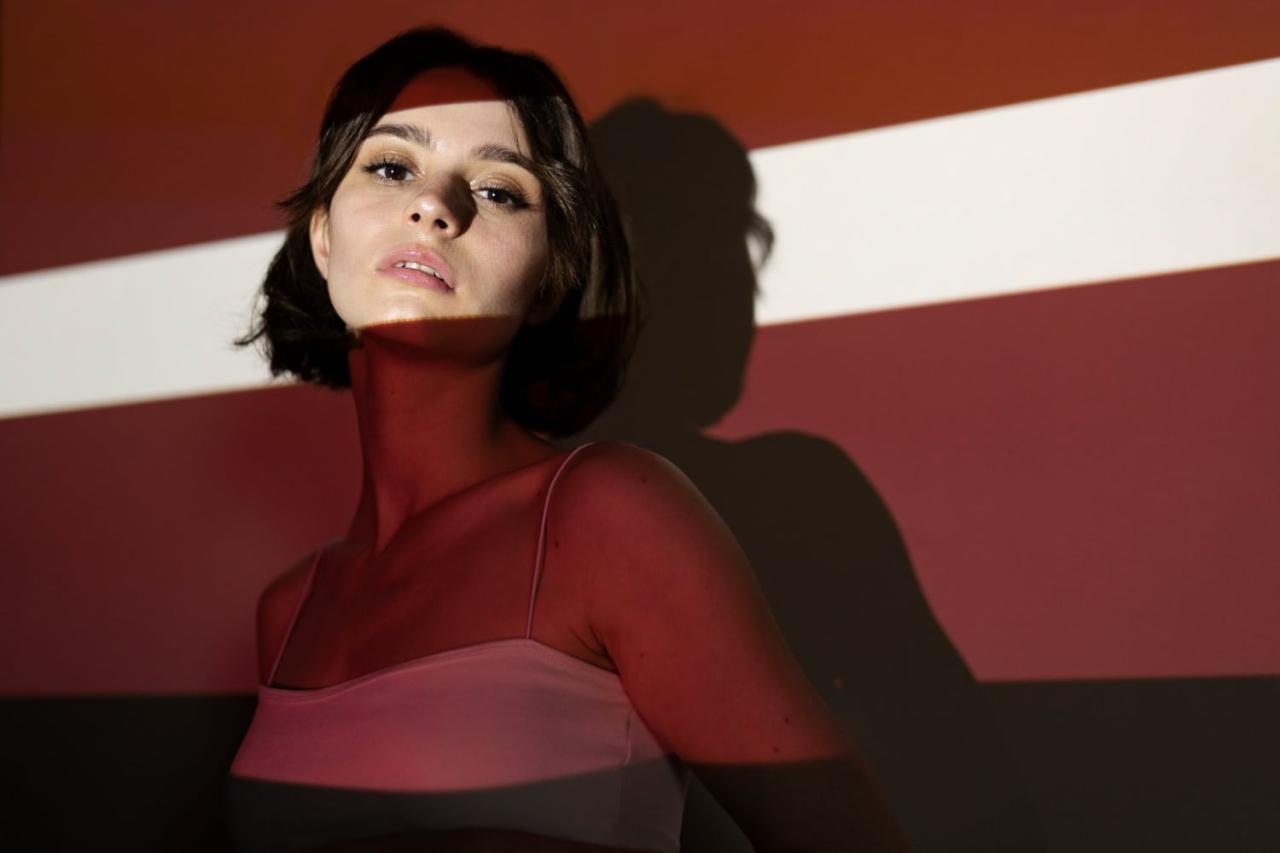
Capturing stunning portraits requires not just a good eye but also a keen understanding of lighting techniques. Effective lighting can transform a simple photograph into a captivating piece of art. This section dives into practical tips that will help you avoid common pitfalls, optimize your camera settings, and choose the right equipment for breathtaking results.
Avoiding Common Mistakes in Portrait Lighting, Portrait Photography Lighting Tips for Professional Results
Many photographers struggle with lighting due to avoidable errors. Recognizing these mistakes can significantly enhance your portrait outcomes. Here are some common pitfalls and how to steer clear of them:
- Overexposure: One of the most frequent errors is overexposing highlights, which can wash out the subject’s features. To avoid this, check your histogram and adjust your exposure settings accordingly.
- Harsh Shadows: Using direct sunlight can create unflattering shadows on the face. Opt for diffused light sources or reflectors to soften these shadows.
- Poor Background Lighting: Ignoring background lighting can lead to unbalanced portraits. Ensure that the background complements your subject’s lighting, avoiding distractions.
- Inconsistent Color Temperature: Mixing different light sources can lead to color imbalances. Stick to one light source or correct with white balance adjustments in-camera.
Optimizing Camera Settings for Portrait Lighting
The right camera settings are crucial for achieving optimal portrait lighting. Adjusting these parameters will help you capture the nuances of light effectively. Focus on the following settings:
- ISO: Keep your ISO as low as possible to reduce noise, ideally between 100-400 in bright conditions.
- Aperture: Use a wide aperture (f/1.8 to f/4) to create a shallow depth of field, which beautifully blurs the background while keeping your subject in focus.
- Shutter Speed: Ensure your shutter speed is fast enough to prevent motion blur, particularly if using handheld shots. A speed of 1/125 sec or faster is generally recommended.
- White Balance: Set your white balance according to the lighting conditions to ensure accurate color reproduction. Consider using the custom setting for mixed lighting scenarios.
Recommended Lighting Equipment for Portrait Photographers
Investing in the right lighting equipment is essential for aspiring portrait photographers. Below is a list of must-have tools that can make a significant difference in your portrait lighting quality:
- Softboxes: These are excellent for diffusing light and eliminating harsh shadows, providing a soft and even illumination.
- Reflectors: A versatile and cost-effective tool, reflectors bounce light back onto your subject, enhancing natural light and filling in shadows.
- Speedlights: Portable and powerful, speedlights are ideal for on-location shoots, offering flexibility in different lighting scenarios.
- Continuous Lighting Kits: Perfect for beginners, these setups provide consistent light output, making it easier to see how lighting affects your images.
“The light is the main part of the portrait.”
Richard Avedon
FAQ Explained
What type of lighting is best for portraits?
The best lighting for portraits typically combines soft, diffused light, such as natural light or softboxes, to create flattering shadows and highlights on the subject’s face.
How can I avoid harsh shadows in portrait photography?
To avoid harsh shadows, position your light source at an angle and use reflectors to bounce light back onto the subject’s face, softening the overall look.
What is the role of reflectors in portrait lighting?
Reflectors help to bounce light onto your subject, filling in shadows and creating a more balanced and appealing lighting effect in your portraits.
How do I choose the right camera settings for portrait lighting?
Use a wide aperture for a shallow depth of field, set a low ISO to reduce noise, and adjust your shutter speed to properly expose the image based on your lighting conditions.
Can I use flash outdoors for portrait photography?
Yes, using flash outdoors can help balance the exposure between your subject and the background, especially in bright sunlight, allowing you to achieve stunning results.