Easy Flowers to Grow in Any Garden opens the door to a vibrant world of gardening possibilities! Whether you are a novice gardener or simply looking to enhance your outdoor space, this guide showcases flowers that are not only beautiful but also simple to cultivate. Dive into the enchanting realm of blooms that thrive in various conditions, attract pollinators, and bring life to your garden effortlessly.
With a focus on beginner-friendly flowers, seasonal selections, and low-maintenance options, this resource is designed to empower you to create a stunning garden that flourishes through every season. From container gardens to edible blooms, this guide will transform your gardening experience into a joyful and fulfilling journey.
Easy Flowers for Beginners
Gardening can be a rewarding hobby, especially when you select flowers that are easy to grow and care for. For novice gardeners, starting with the right plants can boost confidence and create stunning visual displays in any garden. Below are five flowers that not only thrive with minimal care but also bring vibrant colors and delightful fragrances to your outdoor space.
Perfect Flowers for Novice Gardeners
When choosing flowers suitable for beginners, it is essential to consider their care requirements and optimal growing conditions. The following selections are known for their resilience and ease of maintenance, making them ideal for those new to gardening.
- Marigolds: These bright, sunny flowers are incredibly forgiving and thrive in most soil types. They require full sun and moderate watering. Marigolds are also known for their pest-repelling properties, making them a great addition to any garden.
- Pansies: A favorite for their vibrant colors, pansies flourish in cooler temperatures and well-draining soil. They need partial to full sun and should be watered thoroughly but allowed to dry out between waterings.
- Zinnias: These cheerful flowers are drought-tolerant and love sunny locations. Zinnias require well-drained soil and should be watered regularly, especially during dry spells. Their resilience attracts butterflies, adding even more life to your garden.
- Sunflowers: Known for their towering height and bright yellow petals, sunflowers are easy to grow from seeds. They need full sun and should be watered deeply but infrequently. Their striking appearance can create a stunning focal point in any garden.
- Cosmos: With their delicate, feathery foliage and bright, daisy-like flowers, cosmos are a delight for any garden. They thrive in poor soil and full sun conditions, requiring minimal watering once established. Their ability to attract pollinators makes them an excellent choice for beginners.
By selecting these easy-to-grow flowers, novice gardeners can enjoy the satisfaction of nurturing plants that are not only beautiful but also forgiving of beginner mistakes. Incorporating these flowers into your garden will create an inviting atmosphere while enhancing your gardening journey.
Seasonal Flowers to Grow: Easy Flowers To Grow In Any Garden
Spring, summer, autumn, and winter each offer unique opportunities for gardening enthusiasts to cultivate a stunning array of seasonal flowers. Selecting the right flowers to plant during each season not only enhances the beauty of your garden but also ensures that you enjoy vibrant blooms throughout the year. Below is a comprehensive guide to seasonal flowers, along with their optimal planting and flowering times.
Flowers by Season
Understanding which flowers thrive in which seasons is essential for maximizing their beauty and longevity. Below is a table that categorizes flowers according to the season they blossom, including their planting and flowering periods.
| Season | Flower Type | Planting Time | Flowering Time |
|---|---|---|---|
| Spring | Daffodils | September to November | March to May |
| Spring | Tulips | October to December | April to June |
| Summer | Sunflowers | April to June | June to September |
| Summer | Marigolds | April to May | June to October |
| Autumn | Asters | June to August | August to October |
| Autumn | Chrysanthemums | July to September | September to November |
| Winter | Pansies | August to October | Winter to Early Spring |
| Winter | Snowdrops | September to December | January to March |
By choosing flowers based on their seasonal suitability, gardeners can ensure a continuous display of vibrant colors and fragrances. The coordination of planting and flowering times allows for a well-timed garden that brings joy and beauty throughout the year.
Flowers for Different Soil Types
Understanding the relationship between soil type and flower growth is crucial for any gardening enthusiast. Different soils—sandy, clay, and loamy—each present unique characteristics that influence the health and vibrancy of your blooms. Selecting flowers that thrive in your specific soil type can lead to a flourishing garden filled with color and life.Soil type significantly affects flower growth and health due to factors like drainage, nutrient availability, and moisture retention.
For instance, sandy soils drain quickly, making them ideal for drought-resistant plants, while heavy clay soils can retain moisture but may hinder root development. Loamy soils, a balance of sand, silt, and clay, generally provide the best conditions for a wide variety of flowers. When choosing flowers, consider how to amend your soil to maximize flowering potential.
Flowers for Sandy Soils
Sandy soils are well-draining and typically lack nutrients, which can pose challenges for growing certain flowers. However, there are several resilient options that thrive in sandy conditions. The following flowers can flourish beautifully in sandy soils:
- Lavender: Known for its fragrant blooms and drought tolerance, lavender adds a splash of purple to your garden.
- Black-eyed Susan: This hardy perennial brightens up any space with its cheerful yellow petals.
- Coreopsis: Also known as tickseed, it produces vibrant flowers and attracts butterflies.
To improve sandy soil, consider adding organic matter like compost or peat moss to enhance its nutrient content and moisture retention.
Flowers for Clay Soils
Clay soils are dense and can lead to poor drainage, potentially suffocating roots. Selecting the right flowers can help overcome these challenges. The following flowers are well-suited for clay soils:
- Bee Balm: This colorful flower attracts pollinators and thrives in clay conditions.
- Japanese Iris: With its stunning blooms, it performs well even in damp, heavy soils.
- Astilbe: Known for its feathery flower spikes, it adds texture and prefers moist environments.
To amend clay soil, incorporate compost, gypsum, or sand to improve drainage and aeration.
Flowers for Loamy Soils
Loamy soils are often considered the gold standard for gardening due to their balanced texture and nutrient availability. Many flowers flourish in these conditions, providing a diverse palette for your garden. The following selections are ideal for loamy soils:
- Peonies: These perennial favorites offer large, fragrant blooms and thrive in well-drained loamy soil.
- Rudbeckia: Commonly known as black-eyed Susans, they are easy to grow and provide bright color.
- Daylilies: These hardy plants are low-maintenance and produce stunning flowers throughout the summer.
Maintaining loamy soil is easier; regular addition of organic matter can help sustain its fertility and structure.
Choosing the right flowers for your soil type can dramatically enhance your garden’s beauty and health.
Low Maintenance Flower Options
For those who love the beauty of flowers but struggle to find the time for extensive gardening, low maintenance flower options offer the perfect solution. These flowers not only thrive with minimal care but also add vibrant colors and textures to any landscape. Embracing these plants allows busy gardeners to enjoy a blooming garden without the constant demands of traditional flower gardening.Selecting low maintenance flowers comes with numerous benefits, especially for individuals with hectic lifestyles.
These flowers are typically hardy, resilient, and often pest-resistant, making them ideal for hassle-free gardening. By choosing these plants, gardeners can spend less time worrying about upkeep and more time enjoying their outdoor spaces.
Transform your closet with eco-conscious choices! Discover how to cultivate a wardrobe that not only looks good but also benefits the planet in our guide on Eco-Friendly Fashion: How to Build a Sustainable Wardrobe. Embrace style with sustainability, and step out knowing your fashion reflects your values!
Recommended Low Maintenance Flowers
When considering low maintenance flowers, a variety of options can suit different preferences and garden aesthetics. Here are some popular low maintenance flowers that can easily flourish in your garden:
- Daylilies (Hemerocallis): Known for their stunning blooms, daylilies are resilient and can thrive in a variety of soil conditions with little attention.
- Lavender (Lavandula): This aromatic flower requires minimal watering and is drought resistant, making it a favorite among low maintenance enthusiasts.
- Coneflower (Echinacea): With its sturdy nature and vibrant color, coneflowers attract pollinators and require minimal care once established.
- Black-eyed Susan (Rudbeckia): These cheerful yellow flowers bloom from summer to fall and are drought-tolerant and disease-resistant.
- Sedum (Sedum spp.): This succulent plant thrives in poor soil and requires little water, perfect for rock gardens or borders.
- Russian Sage (Perovskia atriplicifolia): This perennial has a long blooming period, is extremely drought tolerant, and attracts pollinators.
The following table provides a comparison of maintenance levels for various popular flowers to help you make informed choices:
| Flower | Watering Needs | Sunlight Requirements | Pruning Frequency |
|---|---|---|---|
| Daylilies | Low | Full Sun / Partial Shade | Rarely |
| Lavender | Very Low | Full Sun | Once a Year |
| Coneflower | Low | Full Sun | Only Deadhead |
| Black-eyed Susan | Low | Full Sun | Once a Year |
| Sedum | Very Low | Full Sun | Rarely |
| Russian Sage | Low | Full Sun | Once a Year |
Choosing low maintenance flowers allows you to enjoy a beautiful garden with minimal effort, making it the ideal choice for busy lifestyles.
Attracting Pollinators with Flowers
Creating a vibrant garden is not only about aesthetics; it’s also about fostering a thriving ecosystem. Flowers play a pivotal role in attracting essential pollinators like bees, butterflies, and hummingbirds, which are vital for the pollination of many plants. By selecting the right flowers and strategically arranging them, you can transform your garden into a haven for these important creatures.Pollinators are critical to maintaining the balance of garden ecosystems.
They assist in the reproduction of flowering plants, which in turn supports a wide variety of wildlife. The decline of pollinator populations has significant implications for food production and biodiversity. By focusing on pollinator-friendly flowers, you can contribute to reversing this trend and enhancing your garden’s health.
Flowers that Attract Pollinators
Selecting the right flowers is key to encouraging visits from bees, butterflies, and other pollinators. Here are some flowers known for their pollinator-attracting properties:
- Lavender
-Known for its aromatic scent, lavender attracts bees with its abundance of nectar. - Echinacea (Coneflower)
-This sturdy flower is a favorite among butterflies and provides a rich source of pollen. - Bee Balm
-With its vibrant colors, bee balm is irresistible to hummingbirds and bees. - Marigolds
-These cheerful blooms not only repel pests but also attract beneficial insects. - Zinnias
-Zinnias bloom throughout the summer and are a magnet for butterflies.
Incorporating these flowers into your garden will not only beautify the space but also foster a welcoming environment for pollinators.
Arranging Flowers for Maximum Pollinator Visits, Easy Flowers to Grow in Any Garden
The arrangement of flowers can significantly impact the likelihood of attracting pollinators. Here are some effective tips for maximizing visits:
- Plant in Clusters
-Grouping flowers of the same type together creates a more visible target for pollinators, increasing their efficiency when foraging. - Provide Diverse Colors
-Pollinators are attracted to a variety of colors. Planting flowers in various hues can catch their attention and invite them into your garden. - Choose Native Plants
-Native flowers are adapted to local pollinator species, making them more effective in attracting these essential creatures. - Include Flowering Plants in Succession
-To provide a continuous food source, choose flowers that bloom at different times throughout the growing season. - Ensure Continuous Bloom
-Aim for a mix of early, mid, and late-season bloomers to maintain a constant supply of nectar and pollen.
By thoughtfully arranging your flowers, you can enhance your garden’s appeal to pollinators, ensuring they have access to the resources they need to thrive.
Want to make your home greener without breaking the bank? Explore practical tips in How to Create an Eco-Friendly Home on a Budget. Transform your living space into an eco-haven while staying budget-friendly. Sustainability is within reach!
Flowering Plants for Container Gardens
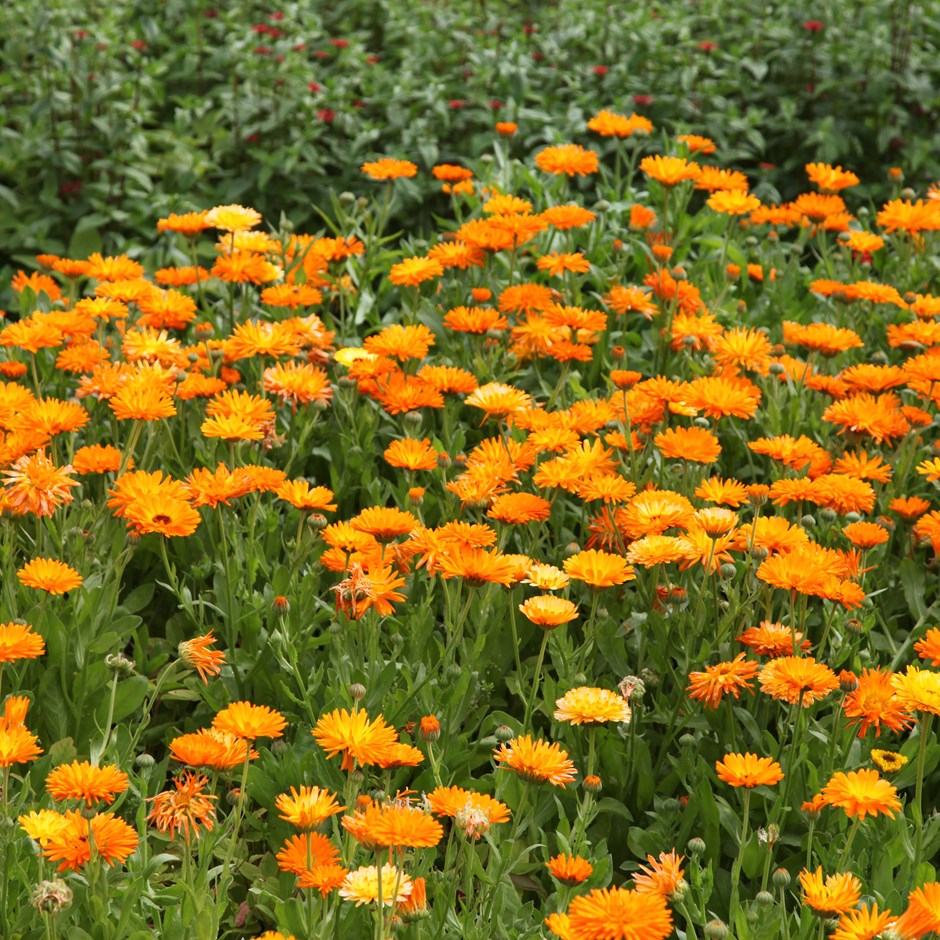
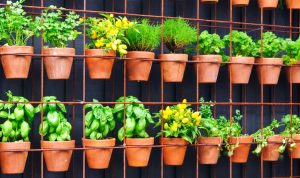
Container gardening opens the door to creating vibrant floral displays, even in small spaces. Whether you have a balcony, patio, or a cozy corner in your yard, choosing the right flowering plants can transform any container into a beautiful garden. This guide will showcase easy-to-grow flowers that thrive in pots, ensuring your container gardens are bursting with color and life.When it comes to caring for container-grown flowers, specific attention must be paid to their unique needs.
Container gardens can dry out quickly, so consistent watering is vital. Additionally, the right potting mix, appropriate fertilization, and ideal placement are crucial for the plants’ health and growth.
Easy-to-Grow Flowers for Containers
Selecting the right flowers for your containers can make all the difference. The following list highlights some of the best flowering plants suitable for container gardening, each known for their ease of care and stunning blooms:
- Petunias: Available in a variety of colors, petunias are resilient and bloom profusely throughout the season, requiring only moderate watering.
- Marigolds: These cheerful flowers are not only easy to grow but also help deter pests. They’re great for sunny spots and require minimal maintenance.
- Pansies: Perfect for cooler seasons, pansies offer vibrant colors and can thrive in partial shade, making them versatile for container gardens.
- Geraniums: Known for their resilience, geraniums add a pop of color and can bloom continuously with proper care.
- Calibrachoa: Often referred to as “million bells,” these compact blooms are ideal for hanging baskets and have a long flowering season.
Care for Container-Grown Flowers
Proper care is essential for the success of your container gardens. Here are key aspects to consider:
- Watering: Ensure consistent moisture but avoid overwatering. A good rule of thumb is to check the top inch of soil; if it’s dry, it’s time to water.
- Fertilization: Use a balanced, slow-release fertilizer to promote healthy growth. Reapply every four to six weeks during the growing season.
- Sunlight: Position your containers according to the light requirements of your plants. Most flowering plants thrive in full sun, so consider this when arranging them.
- Pruning: Regularly deadhead spent blooms to encourage new growth and maintain a tidy appearance in your container garden.
Visual Guide for Planting and Arranging Flowers in Pots
Creating an attractive container garden involves thoughtful planting and arrangement. Here’s a simple visual guide to help you design your pots effectively:
1. Choose the Right Container
Begin your journey towards a better planet with confidence! Our comprehensive resource, The Ultimate Beginner’s Guide to Eco-Friendly Living , equips you with essential tips and strategies for embracing a sustainable lifestyle. Start making a difference today!
Opt for pots with drainage holes to prevent waterlogging. The size of the pot should correspond to the plants’ growth needs.
2. Layering Technique
Place taller plants in the back or center of the pot, with medium-height plants surrounding them, and trailing plants at the edges for a cascading effect.
3. Color Coordination
Select flowers with complementary colors to create a harmonious look. For instance, pairing yellow marigolds with purple pansies can create a stunning contrast.
4. Soil Preparation
Use a high-quality potting mix rich in nutrients to give your flowers the best start. Mixing in some perlite can improve drainage.
5. Placement Consideration
Choose locations for your pots that align with the light preferences of your plants—full sun, partial shade, or full shade.
“Transform your small spaces into beautiful gardens with easy-to-care-for flowering plants in containers.”
Edible Flowers to Incorporate
Edible flowers are not only a feast for the eyes but also a delightful addition to your culinary repertoire. They bring vibrant colors, unique flavors, and a touch of elegance to dishes, making them perfect for both home cooks and professional chefs. Incorporating these flowers into your meals can elevate your cooking, offering a sensory experience that goes beyond taste.These beautiful blooms can enhance salads, desserts, and beverages, adding both visual appeal and distinctive flavors.
Understanding which flowers are safe to eat and how to use them in your recipes is essential. Here are some popular edible flowers and creative ways to incorporate them into your cooking.
Popular Edible Flowers and Their Uses
When choosing edible flowers, it’s important to select varieties that are not only safe but also offer a range of flavors to complement your dishes. Below are some popular edible flowers along with suggestions on how to use them:
- Calendula: Known for its vibrant orange and yellow petals, calendula adds a slightly peppery taste to salads and can be used to make colorful herbal teas.
- Violas: These delicate flowers come in a variety of colors and are perfect for garnishing desserts or adding to salads. Their mild, sweet flavor enhances both visual and taste appeal.
- Nasturtiums: With a spicy, peppery flavor, nasturtiums are excellent in salads and as a garnish for soups. Their bright colors add a lively touch to any dish.
- Hibiscus: Often used in beverages, hibiscus flowers have a tart flavor that can enhance cocktails, teas, and syrups. They can also be used in jams and jellies.
- Lavender: Known for its aromatic properties, lavender adds a floral note to desserts like cakes and cookies, as well as in beverages like lemonade or cocktails.
Incorporating edible flowers into your meals not only enhances the aesthetic but also enriches the flavor profile of your dishes.
Recipes Featuring Edible Flowers
Incorporating edible flowers into your cooking can be both fun and rewarding. Here are some simple recipes that highlight these beautiful ingredients:
- Calendula Salad: Combine mixed greens, sliced cucumbers, and cherry tomatoes. Toss with a vinaigrette dressing and sprinkle calendula petals on top for a splash of color and flavor.
- Lavender Lemonade: Brew a strong lavender infusion by steeping dried lavender flowers in boiling water. Mix with fresh lemon juice and sweetener to taste, then serve over ice for a refreshing drink.
- Nasturtium Pesto: Blend fresh basil, nasturtium leaves, pine nuts, garlic, and Parmesan cheese with olive oil to create a unique pesto. Use it as a pasta sauce or spread it on sandwiches.
- Hibiscus Syrup: Boil dried hibiscus flowers in water with sugar to create a syrup. Use it to sweeten iced teas, cocktails, or drizzle over desserts like panna cotta.
- Viola Cupcakes: Bake your favorite vanilla cupcakes and top them with frosting. Decorate with crystallized violets for a stunning and edible garnish.
By incorporating these edible flowers into your cooking, you not only enhance the flavor and presentation of your dishes but also create a beautiful and memorable dining experience. Experiment with these flowers to discover new and exciting flavors in your culinary adventures!
FAQ Summary
What are the best flowers for beginners?
Sunflowers, marigolds, zinnias, pansies, and petunias are excellent choices for novice gardeners.
How often should I water my flowers?
Most flowers need about an inch of water per week, but it can vary depending on the species and climate.
Can I grow flowers in containers?
Yes! Many flowers thrive in containers, making them perfect for small spaces or patios.
What flowers attract pollinators?
Lavender, echinacea, and bee balm are known to attract bees, butterflies, and other beneficial insects.
How do I know which flowers suit my soil type?
Research the specific needs of each flower species, as some thrive in sandy, clay, or loamy soils.