10 Proven Gardening Tips for Beginners opens the door to a flourishing garden adventure! Whether you dream of vibrant blooms or fresh veggies, these expert tips will transform your gardening journey from daunting to delightful.
Get ready to dig deep into the essentials of soil quality, crucial tools, and the magic of sunlight. Choosing the right plants and planning your garden layout are vital steps that will set the foundation for your green haven. With guidance on soil preparation, watering techniques, pest management, and seasonal care, even the newest gardener can cultivate a thriving sanctuary.
Let’s explore these proven tips that promise to turn your gardening aspirations into reality!
Understanding the Basics of Gardening
Starting a garden can be a fulfilling experience that brings joy and tranquility to your home. However, understanding the fundamentals is essential for success. From soil quality to sunlight exposure, every element plays a significant role in nurturing healthy plants. This guide will cover the fundamental aspects that every beginner gardener should grasp to cultivate a thriving garden.
Soil Quality Significance
Soil quality is the foundation of successful gardening. Healthy soil provides essential nutrients, retains moisture, and supports beneficial organisms. Poor soil can lead to weak plants and low yields. To ensure optimal growth, consider the following factors when assessing soil quality:
- Nutrient Content: Soil should contain a balanced mix of nitrogen, phosphorus, and potassium. Testing kits are available to help determine nutrient levels.
- pH Level: Most plants thrive in soil with a pH between 6.0 and 7.5. Adjusting pH can be achieved through the addition of lime or sulfur.
- Texture: Well-draining soil is crucial. Sandy loam is often ideal as it balances drainage and nutrient retention.
“Healthy soil is the bedrock of a successful garden.”
Essential Gardening Tools
Equipping yourself with the right tools can simplify gardening tasks and enhance your efficiency. Here are key tools that every beginner gardener should consider investing in:
- Hand Trowel: Perfect for digging small holes and transplanting seedlings.
- Pruning Shears: Essential for maintaining plant health by trimming dead or overgrown branches.
- Gloves: Protect your hands from dirt and potential injuries while working in the garden.
- Watering Can: Ensures gentle watering for seedlings and delicate plants.
- Rake: Useful for leveling soil and removing debris.
“Having the right tools makes gardening easier and more enjoyable.”
Importance of Sunlight
Sunlight is vital for photosynthesis, the process through which plants convert light energy into chemical energy. Understanding how sunlight affects plant growth is crucial for optimizing your garden layout. Here are important considerations:
- Full Sun Requirements: Many vegetables and flowering plants thrive with at least 6-8 hours of direct sunlight per day.
- Partial Shade: Some plants, like ferns and hostas, prefer dappled sunlight and can suffer in harsh conditions.
- Sunlight Tracking: Observe your garden throughout the day to identify the best spots for sun-loving plants.
“Sunlight is the lifeblood of your garden; choose wisely where you place your plants.”
Choosing the Right Plants
Selecting the right plants for your garden is crucial, especially as a beginner. The success of your gardening efforts largely depends on understanding which plants thrive in your specific environment. By focusing on easy-to-grow varieties, you can build your confidence and enjoy the fruits of your labor without overwhelming yourself.When selecting plants, consider your local climate, as it greatly influences what will grow successfully.
Factors such as temperature, humidity, and soil type all play a significant role in plant growth. Understanding your plant hardiness zone can also guide you in choosing plants that will flourish in your region. This ensures you invest your time and resources in plants that will thrive, rather than struggle.
Easy-to-Grow Plants for Beginners
Certain plants are particularly well-suited for novice gardeners. These selections are known for their resilience and low maintenance needs, making them perfect for building your gardening skills. Below is a curated list of easy-to-grow plants that are ideal for beginners:
- Herbs: Basil, mint, and chives are aromatic and can be grown indoors or outdoors with minimal care.
- Vegetables: Radishes, lettuce, and green beans germinate quickly and yield a bountiful harvest.
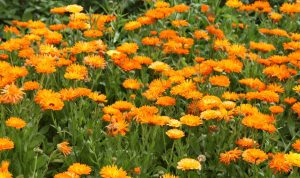
- Flowers: Marigolds, zinnias, and sunflowers are vibrant and attract pollinators, enhancing your garden’s ecosystem.
- Perennials: Daylilies, coneflowers, and hostas return year after year with little effort.
Factors Influencing Plant Selection Based on Climate
Understanding your local climate is essential for successful gardening. Different plants thrive in specific conditions, and recognizing these factors can lead to a flourishing garden. The considerations include:
- Temperature: Know your average annual temperatures and seasonal variations to choose plants that will survive and thrive.
- Rainfall: Consider the amount of rainfall your area receives and select plants that match these moisture levels.
- Soil Type: Some plants prefer sandy soil, while others thrive in clay or loamy conditions; knowing your soil type helps in making informed choices.
- Sunlight Exposure: Determine whether your garden receives full sun, partial shade, or full shade, as plants have varying light requirements.
Understanding Plant Hardiness Zones
Plant hardiness zones are geographical areas defined by climate conditions that influence plant growth. These zones help you select plants that are best suited to your locale. The USDA Plant Hardiness Zone Map classifies regions based on average minimum winter temperatures, allowing gardeners to identify which plants will survive.
“Choosing plants suited to your hardiness zone can dramatically increase your gardening success.”
To determine your hardiness zone, consider the following steps:
- Visit the USDA Plant Hardiness Zone Map online to find your specific zone.
- Check the average low temperatures for your zone to identify suitable plants.
- Always look for plant labels or descriptions that indicate their hardiness zone for assurance.
By understanding these essential aspects of plant selection, beginners can create thriving gardens that not only beautify their surroundings but also provide satisfaction and joy throughout the growing season.
Planning Your Garden Layout
Planning your garden layout is a crucial step that can significantly enhance the growth and productivity of your plants. A well-thought-out design maximizes the use of space and sunlight, allowing you to create an inviting and fruitful garden. By understanding your garden’s unique conditions and the needs of your plants, you can set the stage for success.Effective garden layout involves careful consideration of plant placement, spacing, and companion planting.
Companion planting is a method where certain plants are grown together to promote growth and deter pests. For example, basil and tomatoes thrive together, as basil can enhance the flavor of tomatoes while repelling harmful insects. Similarly, marigolds can protect your veggies from nematodes and other pests, making them an excellent addition to any garden.
Garden Layout Styles and Dimensions
Selecting the right garden style is essential for optimizing your gardening experience. Below is a table that Artikels the dimensions and characteristics of different garden styles, helping you choose the best fit for your space:
| Garden Style | Dimensions (Length x Width) | Features |
|---|---|---|
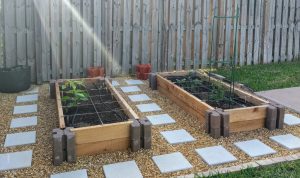
| Raised Beds | 4′ x 8′ | Improved drainage, soil control, and accessibility. |
| In-Ground Gardens | 10′ x 10′ | More space for root growth, natural soil benefits. |
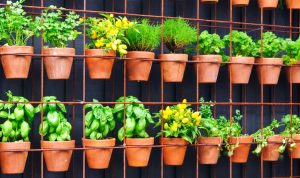
| Container Gardening | Varies (e.g., 12″ diameter pots) | Great for small spaces, easy mobility, and flexibility. |
Utilizing the right layout and understanding companion planting can lead to a thriving garden that is not only productive but also eco-friendly. By planning carefully, you create a harmonious environment that nurtures your plants and promotes biodiversity in your gardening space.
Soil Preparation and Fertilization
Soil is the foundation of a thriving garden, and proper preparation is essential for healthy plant growth. By understanding how to prepare your soil and choose the right fertilizers, you can create a flourishing garden that yields abundant produce, beautiful flowers, and lush greenery.To start, preparing your soil involves several key steps, including testing the pH levels. This ensures that your soil has the right balance of acidity and alkalinity for optimal plant growth.
Soil with a pH between 6.0 and 7.0 is generally ideal for most plants. Here’s how to prepare your soil effectively:
Soil Testing
Testing your soil allows you to identify its nutrient levels and pH. Follow these steps to test your soil:
- Obtain a soil testing kit from a local garden center or online.
- Collect soil samples from different areas of your garden.
- Follow the kit instructions to mix the soil with water and test the pH level.
- Send samples to a laboratory if you require detailed nutrient analysis.
Understanding your soil’s composition helps you know what amendments it may need for better fertility.
Organic versus Synthetic Fertilizers
Fertilizers play a crucial role in enhancing soil fertility and promoting plant health. The choice between organic and synthetic fertilizers comes down to your gardening philosophy and goals. Here’s a breakdown of both types:
- Organic Fertilizers: Made from natural sources such as compost, manure, and bone meal. They improve soil structure and microbial health over time.
- Synthetic Fertilizers: Chemically manufactured to provide a quick boost of nutrients. They are highly concentrated, which can lead to rapid plant growth.
While organic fertilizers enrich the soil sustainably, synthetic options can offer immediate results. However, over-reliance on synthetic fertilizers can lead to nutrient runoff and soil degradation.
Creating Compost at Home
Composting is one of the most effective ways to enrich your garden soil with organic matter. Not only does it reduce waste, but it also provides a nutrient-rich amendment for your plants. Here’s how to create compost at home:
“Compost is nature’s way of recycling and is vital for maintaining soil health.”
To create your own compost, follow these steps:
- Choose a compost bin or pile in a dry, shaded area.
- Collect kitchen scraps such as vegetable peels, fruit waste, and coffee grounds, as well as yard waste like grass clippings and leaves.
- Layer green materials (nitrogen-rich) with brown materials (carbon-rich) to balance the compost.
- Turn the pile every few weeks to aerate and speed up the decomposition process.
Composting typically takes several months, but the end result is nutrient-rich compost that improves soil structure, enhances moisture retention, and supports beneficial microorganisms.By mastering soil preparation and choosing the right fertilizers, you lay the groundwork for a successful gardening journey. Happy planting!
Watering Techniques and Schedules
Proper watering is a cornerstone of successful gardening. It ensures that plants receive the moisture they need to thrive while preventing issues such as root rot or dehydration. Understanding how often and how much to water can make all the difference in your garden’s health.Efficient watering techniques not only conserve water but also promote healthier plants. The method you choose can significantly affect how well your plants absorb water.
Below are some effective techniques and schedules tailored to different plant types.
Watering Frequency Based on Plant Types
Different plants have varying watering needs. Recognizing these needs is essential for maintaining a flourishing garden. Here’s a guideline to help you determine the right frequency:
- Succulents and Cacti: These drought-tolerant plants require infrequent watering, approximately every 2-3 weeks, allowing the soil to dry completely between waterings.
- Herbs: Most culinary herbs thrive with regular moisture. Water once a week, increasing to twice a week during hotter months.
- Vegetables: Most vegetables need consistent moisture. Aim to water deeply once or twice a week, depending on rainfall and temperature. Leafy greens may require more frequent watering due to their shallow root systems.
- Flowering Plants: Many flowering plants appreciate regular watering, about twice a week. Consider the season, as hotter weather may necessitate more frequent hydration.
Efficient Watering Methods
Implementing efficient watering techniques can save time, water, and effort. Here are some reliable methods:
- Drip Irrigation: This method delivers water directly to the plant’s roots, minimizing evaporation and runoff. It’s perfect for vegetable gardens and flower beds. Installation can be done easily with available kits, ensuring that your plants receive a steady moisture supply.
- Soaker Hoses: These hoses seep water along their length, providing a slow and deep soaking for your garden beds. They are effective for larger areas and can be laid out in winding patterns to reach every plant.
- Watering Cans: For smaller gardens or potted plants, a watering can allows for targeted watering. This method helps avoid over-saturating any particular area and lets you focus on the plants that need it most.
Signs of Overwatering and Underwatering
Recognizing the signs of overwatering and underwatering is crucial for maintaining healthy plants. Understanding these symptoms can prevent long-term damage.
- Signs of Overwatering: Look for yellowing leaves, wilting despite wet soil, and a musty smell from the soil, indicating root rot.
- Signs of Underwatering: Plants may exhibit dry, crispy leaves, drooping stems, and soil that pulls away from the edges of the pot.
“Watering effectively is not just about quantity; it’s about the right method at the right time.”
Pest Management Strategies
In gardening, controlling pests is essential for maintaining a healthy and thriving garden. Implementing effective pest management strategies not only protects your plants but also promotes a balanced ecosystem. This section will explore common garden pests, natural remedies for control, and the vital role of beneficial insects.
Discover how easy sustainable living can be with the Top 15 Eco-Friendly Products That Make Sustainable Living Easy. These innovative solutions not only help you reduce your carbon footprint but also enhance your daily routine. Plus, integrate eco-conscious practices into your life with 10 Practical Eco-Friendly Tips for Everyday Life in 2026 , ensuring every step you take is beneficial for the planet.
Embrace the future with cutting-edge solutions by exploring The Future of Eco-Friendly Technologies in 2026 and Beyond , and be a part of the green revolution today!
Common Garden Pests and Natural Remedies
Understanding the types of pests that can invade your garden is crucial for effective management. Here are some common pests and natural remedies to combat them:
- Aphids: Small, soft-bodied insects that feed on plant sap. Natural remedies include introducing ladybugs or using a neem oil spray.
- Slugs and Snails: These pests can create havoc on seedlings and tender leaves. Baiting with beer traps or using diatomaceous earth can help control their population.
- Spider Mites: Tiny pests that often cause webbing on leaves. A strong spray of water can dislodge them, or you can use insecticidal soap for effective treatment.
- Whiteflies: These pests suck the sap from the underside of leaves. Yellow sticky traps can help catch them, or you can release parasitic wasps as a natural predator.
Importance of Beneficial Insects in Pest Management
Beneficial insects play a significant role in pest management by naturally controlling pest populations. They contribute to a balanced ecosystem within the garden. For instance, ladybugs are well-known for their appetite for aphids, while lacewings feed on a variety of soft-bodied pests. Encouraging these beneficial insects can reduce the need for chemical interventions. Planting flowering plants that attract these beneficial species can create a sanctuary for them in your garden.
Organic Pesticides and Their Applications
Utilizing organic pesticides is an effective way to manage pests without harming the environment. Here’s a list of popular organic pesticides and their applications:
- Neem Oil: Derived from the seeds of the neem tree, it disrupts the life cycle of pests and is effective against aphids, spider mites, and whiteflies. Apply it as a foliar spray, ensuring to cover both sides of the leaves.
- Insecticidal Soap: A safe and effective way to kill soft-bodied insects. Spray directly on affected plants, ensuring thorough coverage.
- Diatomaceous Earth: A natural powder that dehydrates pests like slugs and beetles. Sprinkle it around the base of plants or on the leaves.
- Bacillus thuringiensis (Bt): A naturally occurring bacterium that targets caterpillars. Mix it with water and apply to the foliage where caterpillars are feeding.
“In pest management, knowledge is power. Identifying pests early and utilizing natural solutions can lead to a bountiful harvest.”
Seasonal Gardening Tips: 10 Proven Gardening Tips For Beginners
Gardening is a year-round endeavor that requires different strategies depending on the season. Understanding how to adapt your gardening practices can lead to a more fruitful and enjoyable experience. With each season comes unique opportunities and challenges, making it essential for beginner gardeners to arm themselves with knowledge about seasonal gardening.Seasonal gardening involves knowing what to plant and when, as well as how to protect your plants from the changing weather conditions.
By adhering to seasonal planting schedules and implementing protection strategies, gardeners can maximize their yields and ensure the health of their plants throughout the year.
Planting and Harvesting Schedules
A well-planned planting and harvesting schedule can significantly enhance your gardening success. Here are key seasonal planting and harvesting guidelines:
- Spring: Ideal for planting cool-season crops like lettuce, spinach, and peas. Start seeds indoors for warm-season crops like tomatoes and peppers.
- Summer: Time to plant heat-loving vegetables such as cucumbers, zucchini, and beans. Harvest crops like strawberries and early varieties of tomatoes.
- Autumn: This is the season for planting perennial flowers and preparing for winter by planting garlic and cover crops. Harvest late-season crops such as pumpkins and squash.
- Winter: Focus on maintenance tasks such as pruning trees and shrubs. If you live in a milder climate, consider growing winter vegetables like kale and carrots.
Protecting Plants from Extreme Weather Conditions
Extreme weather can pose serious risks to your garden. Understanding how to protect your plants is vital for their survival and growth. Use the following strategies to mitigate weather impacts:
- Frost Protection: Use row covers or cloches to shield young plants from unexpected frosts.
- Heat Protection: Provide shade cloth to protect tender plants from scorching sunlight during heat waves.
- Wind Barriers: Plant hedges or use fencing to protect gardens from strong winds that can damage plants.
- Water Management: Ensure proper drainage to prevent waterlogging during heavy rains, and mulch to retain moisture during dry spells.
Seasonal Maintenance Checklist
A maintenance checklist helps beginner gardeners stay organized and ensures they don’t miss crucial tasks. Here’s a seasonal checklist to guide your gardening activities:
- Spring:
- Clean up garden beds and remove weeds.
- Test soil and amend as needed.
- Start planting seeds for early crops.
- Summer:
- Regularly water and fertilize plants.
- Monitor for pests and diseases.
- Start planning for autumn crops.
- Autumn:
- Harvest mature crops and store them properly.
- Prepare garden for winter by mulching and planting cover crops.
- Clean and store gardening tools.
- Winter:
- Inspect and maintain tools and equipment.
- Plan for the upcoming planting season.
- Organize seed catalogs and order new seeds.
“A garden is a friend you can visit anytime.”
Gardening Techniques for Success
The right gardening techniques can significantly enhance your success as a novice gardener. From improving soil health to ensuring that your plants thrive, understanding these practices offers a solid foundation for a flourishing garden. This section will explore essential gardening techniques, focusing on mulching, pruning, and the proper way to plant seeds.
Mulching Benefits for Plants and Soil
Mulching is a fundamental technique that involves covering the soil surface around plants with organic or inorganic materials. This practice serves multiple purposes that contribute to a healthier garden environment. The benefits of mulching include moisture retention, weed suppression, temperature regulation, and improved soil fertility as organic materials decompose.
“Mulching not only conserves water but also enhances soil structure, making it an essential technique for every gardener.”
Organic mulches such as straw, wood chips, and grass clippings break down over time, enriching the soil with nutrients. In contrast, inorganic mulches like gravel or plastic sheets provide long-lasting coverage without adding nutrients but are ideal for controlling weeds and maintaining soil temperature.
Pruning Methods and Timing for Various Plants
Pruning is a crucial practice in gardening that involves the selective removal of certain parts of a plant, such as branches, buds, or roots. This technique promotes healthier growth, shapes plants, and can increase fruit and flower production. Different plants have specific pruning requirements and optimal times for pruning.
Common pruning techniques include:
- Thinning: Removing some branches to allow light and air to penetrate the canopy.
- Shearing: Trimming the outer growth to create a dense, bushy appearance.
- Deadheading: Cutting off spent flowers to encourage more blooms.
- Renewal Pruning: Cutting back older branches to stimulate new growth.
Timing is critical for effective pruning. For most flowering shrubs, late winter to early spring is ideal, while fruit trees are best pruned during their dormant phase in late winter. Always refer to specific plant care guides for tailored pruning schedules to ensure optimal growth.
Step-by-Step Guide to Planting Seeds Properly
Planting seeds correctly is vital for ensuring their successful germination and growth. Follow these essential steps for effective seed planting:
1. Choose Quality Seeds
Select seeds from reputable sources to ensure high germination rates and disease resistance.
2. Prepare the Soil
Loosen the soil and mix in compost to provide essential nutrients and improve drainage.
3. Create Seed Rows or Holes
Depending on the type of seed, create shallow rows or individual holes according to the seed packet instructions.
4. Sow the Seeds
Plant seeds at the recommended depth, which varies by species. Generally, smaller seeds need to be sown shallower than larger seeds.
5. Cover Gently
Lightly cover the seeds with soil and firm it gently to eliminate air pockets.
6. Water Carefully
Use a fine mist to water the area, ensuring the soil is moist but not overly saturated to prevent seed rot.
7. Label the Rows
Use plant markers to label your rows or holes, allowing for easy identification and care as they grow.
Proper seed planting not only maximizes germination rates but also establishes a strong foundation for your garden’s overall success.
Maintaining Your Garden
Regular maintenance is essential for a thriving garden. This involves a combination of monitoring plant health, performing routine tasks, and being proactive in preventing issues. By adhering to best practices, you can ensure that your plants remain healthy and productive throughout the seasons.Effective garden maintenance requires dedication and awareness. Keeping an eye on your plants allows you to identify any signs of stress, disease, or pest infestations early on, which can save you time and resources in the long run.
By implementing a consistent maintenance schedule, you’ll support the growth and vitality of your garden while also enjoying the satisfaction of a well-cared-for space.
Best Practices for Garden Maintenance
Regular maintenance tasks can make a significant difference in the performance of your garden. Here are some key practices to incorporate into your routine to keep your garden healthy and thriving:
1. Weeding
Weeds compete for nutrients, water, and light. Regularly check your garden for unwanted growth and remove weeds promptly to minimize their impact.
2. Mulching
Apply a layer of organic mulch around your plants to maintain soil moisture, suppress weeds, and improve soil quality as it breaks down.
3. Pruning
Monitor the growth of your plants and prune dead or diseased branches to promote healthier growth and improve air circulation.
4. Fertilizing
Regularly test your soil to determine nutrient levels and apply fertilizers as needed to support plant health.
5. Watering
Maintain a consistent watering schedule, adjusting based on seasonal needs and plant requirements to ensure adequate moisture without overwatering.
Importance of Monitoring Plant Health
Monitoring your plants is crucial for early identification of potential issues. Watch for signs such as yellowing leaves, stunted growth, or unusual discoloration, which can indicate nutrient deficiencies or disease. Early detection allows for timely intervention, which can include adjusting care practices or applying treatments to rectify the problem.
“An ounce of prevention is worth a pound of cure.”
Step into tomorrow with The Future of Eco-Friendly Technologies in 2026 and Beyond. This exploration reveals groundbreaking innovations that promise to revolutionize how we approach sustainability. As you anticipate these advancements, enhance your current lifestyle using the Top 15 Eco-Friendly Products That Make Sustainable Living Easy. Combine this with 10 Practical Eco-Friendly Tips for Everyday Life in 2026 , ensuring a balanced approach to living green while benefiting both yourself and the planet!
Monthly Garden Care Checklist, 10 Proven Gardening Tips for Beginners
Implementing a monthly checklist can help streamline your garden maintenance. This ensures that you stay on top of essential tasks and make adjustments as needed. Below is a comprehensive checklist for monthly garden care:
Week 1
Elevate your everyday life with 10 Practical Eco-Friendly Tips for Everyday Life in 2026. These actionable strategies make it simple to reduce waste and live sustainably. As you implement these tips, you’ll find it easier to transition to eco-friendly products, highlighted in the Top 15 Eco-Friendly Products That Make Sustainable Living Easy. And don’t miss out on the advancements that lie ahead—discover The Future of Eco-Friendly Technologies in 2026 and Beyond to stay informed and inspired.
Inspect plants for pests and diseases.
Remove any dead or diseased foliage.
Check soil moisture and adjust watering schedule as necessary. –
Week 2
Apply fertilizer based on soil test results.
Refresh mulch around plants to conserve moisture and suppress weeds.
Prune any overgrown plants to encourage healthy growth. –
Week 3
Reassess the layout of your garden; consider rotating crops if applicable.
Monitor and adjust the irrigation system for efficiency.
Train climbing plants and check supports for stability. –
Week 4
Harvest any ripe fruits or vegetables to encourage further production.
Plan for upcoming seasonal changes, such as planting new varieties or adjusting plant locations.
Document changes or challenges faced in a garden journal for future reference.
By following these best practices and keeping a well-planned checklist, you’ll cultivate a vibrant and productive garden that brings joy and satisfaction throughout the growing season.
Getting Involved and Learning More
Engaging with the gardening community can exponentially enhance your gardening journey. By connecting with fellow enthusiasts, you not only gain valuable insights but also foster lasting friendships and support networks. Whether you’re a novice or have some experience, getting involved in local gardening clubs or events can deepen your understanding and joy of gardening.Joining a local gardening club or community brings a wealth of benefits.
These groups often provide a platform for exchanging ideas, sharing experiences, and learning from seasoned gardeners. Additionally, membership frequently includes access to exclusive resources, such as newsletters, workshops, and field trips. Below are some compelling reasons to consider getting involved:
Benefits of Joining a Local Gardening Club
Participating in a gardening club can greatly enhance your gardening skills and knowledge. Consider these advantages:
- Networking Opportunities: Connect with like-minded individuals who share your passion, leading to friendships and mentorship.
- Workshops and Events: Access hands-on training sessions and demonstrations that can teach you new techniques and best practices.
- Resource Sharing: Benefit from shared resources such as seeds, plants, tools, and gardening literature.
- Community Projects: Participate in local beautification projects or community gardens that foster teamwork and collaboration.
To further enhance your gardening expertise, there are numerous resources available for continued learning. Books and online courses can provide foundational knowledge as well as advanced techniques to refine your gardening skills. Here are some recommended resources:
Resources for Further Learning
A combination of literature and online platforms can open doors to deeper understanding:
- Books: Titles like “The Garden Primer” by Barbara Damrosch and “All New Square Foot Gardening” by Mel Bartholomew are excellent starting points.
- Online Courses: Websites like Coursera and Udemy offer courses ranging from beginner gardening techniques to advanced horticulture.
- YouTube Channels: Channels such as “Garden Answer” and “Epic Gardening” provide visual tutorials and tips that are easy to follow.
Lastly, participating in local gardening events or workshops can significantly improve your gardening skills. These gatherings often feature expert speakers, hands-on demonstrations, and the chance to ask questions in real-time. Here’s why attending these events is crucial:
Local Gardening Events and Workshops
Attending local events can provide a unique learning experience:
- Hands-On Learning: Engage directly with plants and gardening techniques through practical demonstrations.
- Expert Insights: Gain firsthand knowledge from experienced gardeners and horticulturists.
- Community Engagement: Build relationships within your local gardening community and share your passion with others.
“Gardening is a way of showing that you believe in tomorrow.” — Audrey Hepburn
FAQ Section
What are the easiest plants for beginners to grow?
Some of the easiest plants include basil, lettuce, marigolds, and radishes, which are forgiving and quick to flourish.
How often should I water my plants?
Watering frequency depends on the plant type and climate, but a general rule is to check the soil moisture and water when the top inch feels dry.
What tools do I really need to start gardening?
Essential tools include a trowel, pruning shears, gloves, a watering can, and a garden fork to help with various tasks.
How can I tell if my soil is healthy?
Healthy soil should be dark, crumbly, and full of organic matter. A soil test kit can also help determine pH and nutrient levels.
What is the best way to protect plants from pests?
Encouraging beneficial insects, using organic pesticides, and practicing companion planting are effective methods for managing pests naturally.