How to Start an Art Collection on a Budget opens the door to a world where creativity meets affordability, allowing everyone to express their individuality through art. Whether you are a seasoned enthusiast or just beginning, collecting art can be a fulfilling journey that enriches your life and living space without draining your wallet. Dive into this guide and discover how to cultivate a stunning collection while staying financially savvy.
Exploring the realms of art collecting can be incredibly fulfilling, offering a chance to connect with various art forms and emerging talents. With the right strategies, you can navigate the art market, prioritize your spending, and make informed decisions that align with your budget, all while building a collection that reflects your personal taste and passion.
Understanding Art Collecting
Art collecting is more than just an investment; it serves as a profound avenue for personal expression and cultural enrichment. Collecting art allows individuals to create spaces that reflect their personality, values, and experiences. Each piece chosen tells a story, evoking emotions and sparking conversations. For many, art becomes a key element of their identity and an integral part of their living or working environment.Art encompasses a wide range of mediums and styles, each contributing unique value to a collection.
From traditional paintings and sculptures to contemporary installations and digital art, the diversity in art types provides collectors with an array of choices that cater to various tastes and preferences. Understanding these differences is crucial for building a collection that resonates personally and potentially appreciates in value over time.
Types of Art and Their Value
The significance of each art type varies based on its medium, historical context, and the artist’s reputation. Each type has its own intrinsic value, which can evolve over time. Below are some prevalent types of art and their characteristics:
- Paintings: Often viewed as the cornerstone of art collections, paintings range from classical oil works to modern acrylics, showcasing immense diversity in style, technique, and emotional impact.
- Sculptures: These three-dimensional artworks can be made from a variety of materials like stone, metal, or wood, providing tactile experiences and a sense of presence in any space.
- Photography: As a modern medium, photography captures moments and perspectives, turning them into visual narratives. Limited edition prints can appreciate significantly in value, especially from renowned photographers.
- Mixed Media: Combining various materials and techniques, mixed media pieces offer dynamic and innovative expressions, often reflecting contemporary themes and social issues.
- Digital Art: With the rise of technology, digital art has gained notoriety. It challenges traditional notions of art ownership and appreciation, often leading to new market dynamics like NFTs (Non-Fungible Tokens).
Art collecting is often fueled by emotional and cultural motivations. Many collectors are drawn to the narratives behind the pieces, seeking connections with the artist or the story depicted. The experience of acquiring and living with art can be deeply fulfilling, offering joy, contemplation, and inspiration. Additionally, art can serve as a medium for cultural expression, representing personal heritage or societal themes that resonate with the collector’s beliefs and values.
“The personal connection to art transforms mere ownership into a lifelong relationship that evolves alongside the collector.”
Setting a Budget
Art collecting can be an incredibly rewarding pursuit, but it requires a strategic approach, especially when working within a budget. Establishing a realistic financial framework is crucial for ensuring that your collection grows without compromising your financial stability. By understanding your limits, you can make informed decisions that lead to fulfilling purchases while avoiding the pitfalls of overspending.Determining a budget for art collecting involves evaluating your financial situation and setting clear spending limits.
Consider your income, expenses, and savings goals to establish a budget that allows for both enjoyment and financial responsibility. This careful planning gives you the freedom to explore various art options without the stress of overspending.
Methods for Determining a Realistic Budget
Creating a budget for art collecting is not solely about setting a number; it’s about understanding your financial landscape. Here are effective methods to help you define a realistic budget:
- Assess Your Financial Position: Review your monthly income and expenses to understand how much you can safely allocate to art purchasing without affecting your essential needs.
- Set a Collecting Goal: Decide what types of art you want to collect—are you focused on paintings, sculptures, or prints? Having a clear goal will help you allocate resources more effectively.
- Consider Future Financial Commitments: Factor in any upcoming expenses, such as vacations or home repairs, that might impact your available funds for art collecting.
- Monitor Market Prices: Research the art market to understand pricing trends, which will help you make informed decisions while sticking to your budget.
Financial Strategies for Art Purchasing
Strategizing your art purchases can help you acquire pieces you love while maintaining financial health. Here are some financial strategies to consider:
- Set a Monthly Spending Limit: Allocate a fixed amount each month for art purchases. This will help you avoid impulsive buying and keep your spending in check.
- Explore Emerging Artists: Invest in works from up-and-coming artists who may offer lower prices, providing potential for appreciation in value over time.
- Participate in Art Fairs and Auctions: These events often feature a wide range of artworks at different price points, giving you the chance to find unique pieces at competitive prices.
- Join Collecting Clubs: Networking with other collectors can offer you insights into deals, exhibitions, and emerging talent, ultimately enhancing your purchasing strategy.
Prioritizing Spending within the Art Collection
Prioritization is key to building a thoughtful and cohesive art collection. Knowing where to allocate your funds can lead to a more satisfying collecting experience. Here are some tips on how to prioritize your spending:
- Identify Key Pieces: Focus on acquiring a few significant pieces that resonate with you, rather than filling your collection with smaller, less meaningful items.
- Evaluate Quality Over Quantity: Invest in higher-quality works that reflect your taste and have the potential to appreciate over time, rather than purchasing many lower-quality pieces.
- Plan for Framing and Maintenance: Include costs for framing and preserving your art in your budget, ensuring that your pieces remain in excellent condition.
- Reassess Regularly: Periodically evaluate your collection and financial situation to adjust your priorities and budget as necessary, ensuring that your collecting journey remains enjoyable and sustainable.
“A well-planned budget not only safeguards your financial health but also enhances the joy of art collecting.”
Researching Artists and Artworks: How To Start An Art Collection On A Budget
Exploring the world of art collecting can be both thrilling and challenging, particularly when it comes to discovering new talent on a budget. Researching artists and their works is a vital step in building a meaningful collection that resonates with your personal taste and investment goals. Understanding the backgrounds and styles of various artists not only enhances your appreciation of their work but also informs your purchasing decisions.
Knowing where to look and how to evaluate emerging artists can lead you to unique pieces that may become valuable over time, all while being budget-friendly.
Strategies for Discovering Emerging Artists
Identifying promising new artists involves a combination of online research, community engagement, and actively participating in the art scene. Here are some effective strategies to discover emerging talent:
- Follow Art Blogs and Social Media: Many art enthusiasts and critics use platforms like Instagram and specialized art blogs to showcase up-and-coming artists. Following these accounts can give you insights into fresh talent.
- Attend Local Art Events: Art openings, gallery shows, and community art fairs often feature emerging artists. Engaging with the local art scene can unveil hidden gems.
- Join Art Collecting Groups: Online forums and local clubs provide networking opportunities with other collectors who may share recommendations on new artists.
- Utilize Online Marketplaces: Websites like Saatchi Art and Artsy feature a wide range of artists, and you can often filter by price to find artworks that fit your budget.
The discovery of new artists is crucial for building a collection that not only reflects your style but also supports and promotes emerging talent in the art community.
Importance of Researching Artist Backgrounds and Styles
Researching an artist’s background can provide invaluable context for their work, including the influences that shape their artistic vision. Understanding the artist’s biography, education, and creative process can greatly enhance your appreciation of their pieces. Factors to consider when researching include:
- Artistic Influences: Knowing what inspired an artist can help you understand their style and themes better.
- Exhibition History: An artist’s previous exhibitions can indicate their credibility and the level of recognition they have received in the art world.
- Critical Reception: Reviews from art critics and publications may offer insights into the artist’s market potential and the significance of their work.
Incorporating this knowledge into your collection strategy not only informs your purchasing choices but also allows you to engage more deeply with the artwork you choose to invest in.
Role of Galleries, Art Fairs, and Online Platforms
Galleries, art fairs, and online platforms serve as essential venues for discovering art within budget constraints. Each offers unique advantages that can help you find the right piece at the right price.
- Galleries: Many galleries specialize in showcasing emerging artists. Visiting these spaces allows you to see the work in person, providing a better sense of scale, color, and texture.
- Art Fairs: Events like Art Basel or local art festivals bring together numerous galleries and artists, offering a concentrated environment to discover diverse artworks. Often, you can negotiate prices directly with artists or dealers.
- Online Platforms: Digital platforms have revolutionized art collecting. Websites like Etsy and Instagram offer affordable options and the ability to communicate directly with artists, sometimes even commissioning original pieces.
These resources not only broaden your horizons but also enhance your chances of finding unique works that align with your budget and style preferences.
Buying Art on a Budget
Purchasing art doesn’t have to break the bank, and there are numerous ways to build a beautiful collection without overspending. Understanding where to find affordable artworks and how to effectively negotiate can significantly enhance your collection while keeping your budget intact.
Affordable Art Sourcing Options
Exploring various avenues for sourcing art can unveil hidden gems that are both unique and budget-friendly. Here are some excellent options to consider:
- Local Art Fairs and Markets: Many cities host regular art fairs or flea markets where local artists showcase their work. These events often feature affordable pieces directly from the creators, allowing you to find one-of-a-kind artworks at reasonable prices.
- Community Art Shows: Local galleries and community centers frequently organize art exhibitions featuring emerging artists. Attending these shows not only supports local talent but also offers artworks at accessible price points.
- Online Platforms: Websites like Etsy, Saatchi Art, and Artfinder provide a vast range of affordable art options from artists around the world. This enables you to compare prices and styles from the comfort of your home.
- Art Collectives: Joining local art collectives can connect you with artists offering their work at lower prices to support their communities. This often includes unique pieces that you won’t find elsewhere.
- University Art Departments: Student exhibitions at universities can be an excellent source of innovative and affordable art. These students are often eager to sell their work, making it an affordable way to discover fresh talent.
Negotiating Prices with Artists and Galleries, How to Start an Art Collection on a Budget
Negotiation is an essential skill for art buyers, particularly when you’re on a budget. Understanding how to approach artists and galleries can lead to better pricing while fostering positive relationships.
“Art is subjective, and so are its prices. Don’t hesitate to discuss your budget with artists or gallery owners.”
When negotiating:
- Be respectful and honest about your budget limitations. Many artists appreciate transparency and may offer a discount or suggest smaller works that fit your price range.
- Consider purchasing multiple pieces from the same artist. Bulk buys can often result in a better deal, as artists may be willing to lower the price for a larger sale.
- Inquire about payment plans. Some galleries and artists are open to flexible payment options, allowing you to gradually pay off a piece over time.
Attending Art Auctions and Bidding
Art auctions can be thrilling opportunities to acquire pieces at competitive prices. However, it’s crucial to attend these events with a clear strategy in mind.Before participating in an auction:
- Research the auction house and the artists whose work will be auctioned. Understanding their market value will help you gauge realistic price ranges for bidding.
- Set a strict budget for yourself before the auction begins. Knowing your limit prevents impulsive bids that can lead to overspending.
- Attend preview events to examine the artworks up close and assess their condition. This helps ensure that you’re investing in quality pieces.
During the auction, stay focused and be ready to place your bid when the artwork meets your budget expectations. Remember, patience can pay off, as artworks often go unsold, allowing you to negotiate later with the auction house.
Caring for Your Collection
Caring for your art collection is essential to ensure its longevity and maintain its value. This not only involves proper display techniques but also regular maintenance and protection against potential damage. By adopting best practices, you can enjoy your collection without overspending, ensuring that each piece remains a cherished investment.
Maintaining and Displaying Art Pieces
To preserve the beauty and integrity of your artworks, it’s crucial to implement effective maintenance and display strategies. Here are some budget-friendly best practices for showing off and caring for your collection:
- Framing: Choose acid-free materials for framing to prevent yellowing and deterioration over time. Consider DIY framing options or finding budget-friendly frame suppliers. Simple frames can enhance your artwork without breaking the bank.
- Lighting: Natural light can fade artwork, so opt for UV-protective glass and LED lighting to spotlight your pieces without causing damage. Avoid direct sunlight exposure and consider adjustable lighting to highlight different artworks in your collection.
- Storage Solutions: For pieces not on display, use climate-controlled storage options, such as archival boxes, to protect them from humidity and temperature fluctuations. Avoid storing art flat; instead, store them upright to prevent bending or creasing, using protective layers like bubble wrap.
Insuring and Protecting Art Investments
Investing in insurance for your collection can provide peace of mind, but it doesn’t have to come at a high cost. Here are some effective strategies to ensure your artworks are well-protected:
- Regular Appraisals: Schedule appraisals every few years to maintain an accurate value of your collection. This ensures your insurance coverage reflects the current market value without incurring unnecessary costs.
- Homeowner’s Insurance Add-Ons: Check if your homeowner’s policy includes coverage for art. Often, you can add a rider specifically for your collection at a lower cost than standalone insurance policies.
- Documentation: Keep detailed records of each piece, including purchase receipts, photographs, and appraisals. Proper documentation not only aids in insurance claims but also helps track your collection’s value over time.
“Investing in proper care for your art ensures its beauty and value endure, allowing you to enjoy your collection for years to come.”
Growing Your Collection
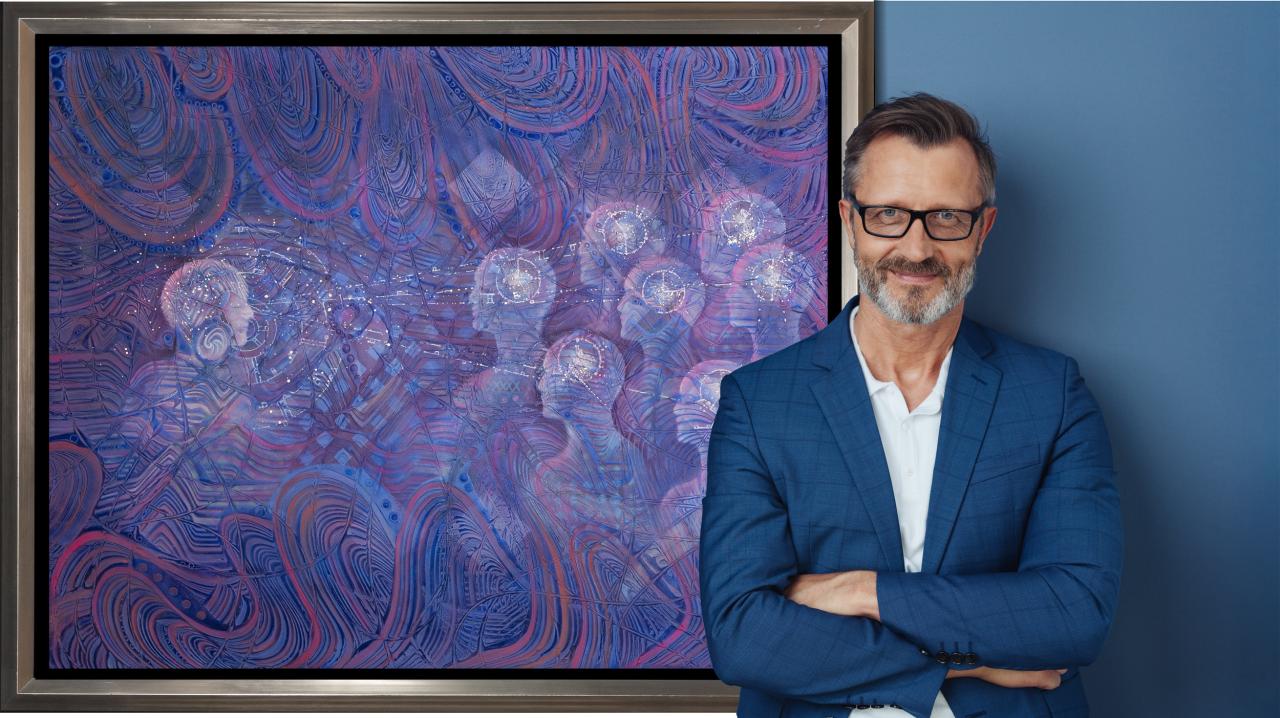
In the dynamic world of art collecting, growth is an exciting journey that can lead to enriching both your collection and your personal experience as an art enthusiast. By evaluating and reselling art pieces, engaging with community resources, and assessing the growth trajectory of your collection, you can create a sustainable way to enhance your artistic treasures.Evaluating and reselling art pieces is a strategic method for funding new acquisitions.
Collectors can tap into their existing artworks to generate capital for future purchases, thus facilitating the expansion of their collections. Understanding the art market’s trends and the value of your pieces is crucial in making informed decisions. Here are some effective methods for evaluating and reselling artworks:
Methods for Evaluating and Reselling Art
To successfully evaluate and resell art pieces, consider the following:
- Conduct thorough research on the current market value of your artworks, including artist reputation and recent sales trends.
- Utilize platforms such as auction houses, online galleries, and specialized art fairs to gauge interest and potential pricing.
- Collaborate with art appraisers for professional valuations, ensuring you understand the worth of your collection.
- Network with fellow collectors to share insights and experiences regarding the resale process.
Community resources and networks play a pivotal role in the art collecting journey. Engaging with other art enthusiasts allows collectors to share experiences, gain insights, and discover new artists. Here are valuable resources to consider:
Community Resources for Art Collectors
Connecting with local and online communities can enhance your collecting experience. Explore these resources:
- Join local art clubs or associations to meet other collectors and artists.
- Participate in social media groups focused on art collecting to stay updated on trends and events.
- Attend art openings, workshops, and lectures to network and learn from industry professionals.
- Utilize online forums and platforms dedicated to art discussions and exchanges.
Regular assessment of your collection’s growth is essential for successful collecting. Creating a structured timeline can help you track trends, focus on your collecting goals, and ensure that your collection reflects your evolving taste. Here is a proposed timeline for assessing your collection:
Timeline for Assessing Collection Growth
A structured approach can allow you to evaluate your collection effectively. Consider this timeline:
| Time Period | Assessment Focus |
|---|---|
| Annually | Conduct a complete inventory of your collection, noting changes in value and personal significance. |
| Biannually | Review your collecting goals and refine your focus based on new interests and market trends. |
| Quarterly | Assess potential artworks for resale and determine if they align with your collection’s direction. |
By utilizing these strategies, you can effectively grow your art collection while maintaining a strong connection to the art community. Embrace the adventure of collecting art and watch as your passion transforms into a vibrant collection filled with stories and value.
Query Resolution
What is the best way to start collecting art on a budget?
Begin by setting a clear budget, researching affordable local artists, and exploring online platforms that offer unique pieces at lower prices.
How can I find emerging artists?
Attend local art fairs, exhibitions, and use social media platforms to discover talented emerging artists and their works.
What should I consider when buying art?
Evaluate the artist’s background, style, and potential resale value, and don’t hesitate to negotiate prices for the best deal.
How can I take care of my art collection on a budget?
Utilize DIY methods for framing, maintain proper lighting, and ensure safe storage to preserve your pieces without overspending.
Is it possible to resell art to fund new purchases?
Yes, evaluating your collection for resale opportunities can help you finance new acquisitions while keeping your collection fresh.