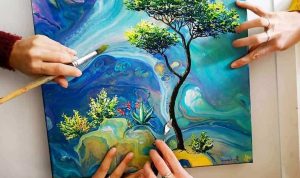
How to Appreciate Abstract Art: A Beginner’s Guide is your essential gateway into the vibrant and thought-provoking world of abstract art. This guide invites you to explore the depths of creativity, emotional expression, and the unique perspectives that abstract art offers.
Discover how to define abstract art, understand its significance, and identify the key characteristics that set it apart from traditional representational art. Whether you’re a curious newcomer or someone looking to deepen your understanding, this guide will lead you through the fascinating journey of appreciating abstract art.
Understanding Abstract Art
Abstract art is a genre that breaks away from traditional representation, focusing instead on the use of colors, shapes, and forms to convey emotions and ideas. This artistic style plays a significant role in the contemporary art world, challenging viewers to engage with art on a more intuitive level. Unlike representational art, which depicts recognizable subjects, abstract art invites personal interpretation and emotional responses, making it a vital part of artistic expression.Key characteristics of abstract art set it apart from representational art.
These characteristics include a focus on visual elements rather than realistic depiction, a tendency to evoke feelings or concepts without defined subjects, and an exploration of the relationship between color, shape, and texture. By emphasizing these elements, abstract art encourages viewers to look beyond the surface and consider deeper meanings and sensations.
Historical Context of Abstract Art Movements
The emergence of abstract art can be traced back to the late 19th and early 20th centuries, coinciding with significant changes in society and technology. The rise of modernism, industrialization, and shifts in perception regarding reality and perception paved the way for abstract movements. The following points highlight key developments in the history of abstract art:
- The influence of Impressionism and Post-Impressionism: Artists like Claude Monet and Vincent van Gogh focused on capturing light and form rather than exact representation, laying the groundwork for abstraction.
- The advent of Cubism: Pioneered by Pablo Picasso and Georges Braque, Cubism fragmented objects and subjects, challenging traditional perspectives and paving the way for abstract exploration.
- The rise of Abstract Expressionism: In the mid-20th century, artists such as Jackson Pollock and Mark Rothko used color and form to express emotions, forming a crucial link between abstraction and emotional experience.
- The development of geometric abstraction: Artists like Piet Mondrian and Kazimir Malevich focused on basic shapes and primary colors, emphasizing structure and balance in their works.
- The global influence of abstract art: Movements such as Neo-Geo and contemporary abstract artists reflect the ongoing evolution and relevance of abstraction in global art scenes.
“Abstract art enables us to see beyond the obvious and to engage with the emotional depth of artistic expression.”
Approaching Abstract Art
To truly appreciate abstract art, one must embrace a different mindset—one that transcends traditional representations and delves into the emotional and conceptual realms of the artwork. Rather than simply analyzing shapes and colors, it is essential to cultivate an understanding of the artist’s intentions and the emotional responses that the piece evokes. This guide explores effective methods for observing and interpreting abstract art, highlighting the significance of emotional engagement in this unique visual experience.
Methods for Observing and Interpreting Abstract Art
Observing abstract art requires a thoughtful approach that allows for personal interpretation. Begin by standing back and taking in the entire composition before focusing on individual elements. This broad perspective helps to establish an emotional connection with the piece. As you engage with the artwork, consider the following methods to deepen your understanding:
- Examine Colors and Textures: Pay attention to the colors and textures used. Bright colors might evoke energy and excitement, while muted tones can elicit calmness. Textures can add depth and visual interest, inviting the viewer to explore further.
- Identify Shapes and Forms: Notice the various shapes and forms present in the artwork. Do they represent something familiar, or do they feel entirely abstract? Identifying these aspects can help in forming a narrative around the piece.
- Consider the Title: The title of the artwork can provide insight into the artist’s intentions. Reflect on how the title aligns with your interpretation and emotional response to the piece.
- Engage with the Environment: Context matters. Consider the setting in which the artwork is displayed—whether in a gallery, a home, or outdoors. The environment can influence how the piece is perceived and felt.
Emotional Responses in Appreciating Abstract Art
Emotional responses play a critical role in appreciating abstract art. Each individual brings personal experiences, memories, and emotions to their viewing of a piece, resulting in unique interpretations. The importance of emotional engagement can be summarized as follows:
“Art is not what you see, but what you make others see.” – Edgar Degas
Engaging with abstract art on an emotional level allows viewers to connect with the work deeply. Feelings of joy, confusion, tranquility, or even discomfort can arise, enhancing the overall experience. This emotional interaction can lead to a more profound appreciation and understanding of the artist’s message and intent.
Perspectives When Viewing Abstract Art
When approaching abstract art, it is beneficial to adopt various perspectives. Different viewpoints can enrich the experience and enhance interpretation. Here are several perspectives to consider:
- The Artist’s Perspective: Consider what the artist may have aimed to convey through their work. Reflect on their background, artistic style, and the historical context of the piece.
- The Historical Context: Understanding the time period and cultural movements during which the artwork was created can provide valuable insights. For instance, the influence of movements like Expressionism or Surrealism can shape how we perceive an abstract piece.
- Your Personal Perspective: Reflect on your own emotions and thoughts as you view the artwork. What memories or associations does it evoke for you? This personal connection can lead to a richer appreciation of the piece.
- Comparative Perspective: Viewing multiple pieces by the same artist or within a similar style can help you identify recurring themes or techniques, enhancing your overall understanding of abstract art.
Elements of Abstract Art
Abstract art is a captivating realm where artists transcend the traditional boundaries of representation, inviting viewers into a world shaped by emotion, perception, and imagination. By understanding the fundamental elements of abstract art—color, form, and line—beginners can start to appreciate the nuances and intricacies that define this genre. These elements serve as the building blocks of expression, allowing artists to convey profound ideas and feelings without the constraints of recognizable subjects.
Common Elements and Techniques in Abstract Art
Abstract art thrives on the manipulation of various elements that invoke a spectrum of emotions and interpretations. Each element plays a critical role in shaping the viewer’s experience. Here’s a closer look at some of the primary components:
- Color: Color in abstract art is not merely a visual tool; it is a powerful medium for conveying emotion and setting the mood. Artists select specific colors to evoke feelings—from the warmth of reds and yellows to the coolness of blues and greens, each hue carries its own weight and meaning.
- Form: The use of form in abstract art allows artists to explore shapes and structures without the need for representational accuracy. Geometric shapes can create a sense of order, while organic forms may evoke a more fluid and natural feel, encouraging a personal response from the viewer.
- Line: Lines can express movement, energy, and direction. The quality of lines—whether soft and flowing or harsh and jagged—contributes to the overall dynamics of the piece, guiding the viewer’s eye and emotional response.
Art Styles and Their Defining Characteristics
Understanding the various art styles within abstract art enriches one’s appreciation and comprehension of its diversity. Below is a table outlining some prominent styles and their characteristics:
| Art Style | Defining Characteristics |
|---|---|
| Cubism | Depicts subjects from multiple viewpoints, often using geometric shapes to create fragmented forms. |
| Expressionism | Focuses on emotional experience rather than physical reality, often through vibrant colors and distorted forms. |
| Futurism | Emphasizes movement and the dynamism of modern technology, often through abstract interpretations of speed and energy. |
| Surrealism | Explores the unconscious mind, often presenting dreamlike scenes with bizarre, illogical elements. |
Mediums Impacting Abstract Art Creation
The choice of medium significantly influences the expression and reception of abstract art. Each medium brings its unique qualities and potentials, shaping how ideas are conveyed. Here are some common mediums used in abstract art:
- Painting: Traditional oil and acrylic paints allow for rich textures and layering, enabling artists to create depth and visual interest.
- Sculpture: Three-dimensional forms provide a tactile experience, allowing viewers to engage with the artwork from multiple angles and perspectives.
- Digital Art: With the advent of technology, digital platforms allow for innovative experimentation with color, form, and movement, often leading to groundbreaking abstract pieces that can evolve and change.
Engaging with Abstract Art: How To Appreciate Abstract Art: A Beginner’s Guide
Engaging with abstract art can be an enriching experience that allows individuals to connect with their emotions and thoughts in a profound way. This segment explores strategies for enhancing personal engagement with abstract art in galleries or museums, providing a pathway to deeper appreciation and understanding. By utilizing these techniques, viewers can foster a more meaningful relationship with the artworks they encounter.
Strategies for Enhancing Engagement
To truly immerse oneself in abstract art, consider employing the following strategies during your gallery or museum visits:
Take Your Time
Allow yourself to spend ample time with each artwork. Observing for several minutes can lead to new discoveries and insights, deepening your emotional connection.
Use Your Imagination
Let your mind wander as you look at the piece; envision stories, emotions, or scenes that resonate with you personally.
Engage Your Senses
Pay attention to the colors, shapes, and textures. Feel the tactile quality of the paint or the layering of materials, which can evoke different sensations.
Reflect on Your Feelings
After observing a piece, take note of the emotions it stirs within you. Write down your thoughts, which can help solidify your personal experience with the art.
Discuss with Others
Sharing perceptions with fellow viewers can open up new avenues of interpretation. Conversations about what you see can enrich your understanding and appreciation.
Examples of Abstract Artworks and Their Emotions
Certain abstract artworks evoke distinctive feelings, making them powerful pieces to explore. Here are a few notable examples:
“Composition VIII” by Wassily Kandinsky
This vibrant composition of geometric shapes and colors creates a sense of rhythm and movement. Viewers often feel exhilaration and energy, reminiscent of music.
“No. 61 (Rust and Blue)” by Mark Rothko
The vast fields of color in this painting can invoke feelings of calmness and introspection. Many find themselves reflecting on personal experiences when absorbing its depth.
“Black Square” by Kazimir Malevich
This iconic work challenges viewers, prompting feelings of ambiguity or even discomfort. It’s a catalyst for thought about the nature of art itself.
“Broadway Boogie Woogie” by Piet Mondrian
The lively grid of primary colors and lines often inspires joy and spontaneity, mirroring the energy of urban life.
Recommended Abstract Artists and Notable Works
Exploring the works of established abstract artists can enhance your appreciation and understanding of the genre. Here’s a curated list of artists and some of their notable works that beginners should consider:
Wassily Kandinsky
Known for his pioneering role in abstract art, his works like “Composition X” and “Improvisation 31” are essential viewing.
Jackson Pollock
His drip paintings, such as “No. 5, 1948,” exemplify action painting and are pivotal in understanding spontaneity in art.
Mark Rothko
Renowned for his large color field paintings like “Orange and Yellow,” Rothko’s works evoke powerful emotional responses.
Piet Mondrian
Famous for his grid-based compositions, “Composition with Red, Blue, and Yellow” showcases his innovative use of color and form.
Kazimir Malevich
His creation of Suprematism, notably seen in “White on White,” challenges perceptions of space and color.
Personal Interpretation of Abstract Art
Engaging with abstract art invites personal reflection and encourages viewers to cultivate a deeper understanding of their emotional responses. Each piece of abstract art can elicit a unique reaction based on individual experiences, making personal interpretation a valuable aspect of appreciation. By delving into your perceptions, you can enrich your art-viewing journey and foster meaningful connections with both the art and fellow enthusiasts.Articulating your interpretation of abstract art to others can enhance your appreciation and foster discussions.
Sharing your thoughts requires clarity and confidence in your perspective. To effectively communicate your interpretation, it helps to organize your thoughts and focus on specific elements of the artwork that resonate with you. This could include colors, shapes, or the emotional atmosphere of the piece.
Creating a Personal Journal
Keeping a personal journal dedicated to abstract art can significantly enhance your experience. Documenting your thoughts and feelings allows for reflection and growth in your understanding. Here are some key aspects to consider:
- Track Your Responses: Write down your immediate reactions to different pieces, noting colors, shapes, and emotions they evoke.
- Reflect on Changes: Revisit your entries periodically to see how your interpretations evolve over time.
- Use Visual Aids: Consider including sketches, clippings, or images of the artworks next to your written reflections to create a richer context.
Articulating Interpretations, How to Appreciate Abstract Art: A Beginner’s Guide
Expressing your interpretation to others can be an enriching experience. Here are effective ways to share your insights:
- Be Specific: Instead of general statements, focus on specific aspects of the artwork—describe the colors, shapes, or the feelings that particular elements evoke.
- Invite Dialogue: Encourage others to share their own interpretations, fostering a two-way conversation that enriches everyone’s understanding.
- Use Analogies: Relate the artwork to personal experiences or known themes in literature or music to create a relatable context.
Discussing Abstract Art in Social Settings
Engaging in discussions about abstract art in social settings can be both enlightening and enjoyable. Here are essential strategies for fostering respectful and constructive conversations:
- Practice Active Listening: Show genuine interest in others’ perspectives, allowing them to express their interpretations fully before sharing your own.
- Respect Diverse Opinions: Acknowledge that interpretations can vary widely; this diversity is what makes art discussions vibrant and insightful.
- Encourage Exploration: Suggest related artworks or themes for further exploration, helping to deepen the conversation and understanding for everyone involved.
“Art is not what you see, but what you make others see.” – Edgar Degas
Exploring Abstract Art in Everyday Life

Incorporating abstract art into daily life not only enhances your living environment but also enriches your personal experience and understanding of art. Abstract art can transform ordinary spaces into inspiring surroundings, making it a perfect companion to daily routines. By embracing abstract art, you invite creativity and expression into your everyday experiences.Finding ways to appreciate and integrate abstract art into your routine can be both fulfilling and accessible.
Here are several methods to engage with abstract art in day-to-day life:
Incorporating Abstract Art into Home Decor
Creating a visually stimulating environment begins with selecting the right pieces of abstract art. Consider the following options to enhance your space with abstract art:
- Gallery Wall: Design a gallery wall by arranging a collection of abstract pieces. Mix sizes, textures, and colors for an eclectic look that tells a story.
- Artwork Selection: Choose large canvas prints or framed pieces that resonate with your personal style. Opt for bold colors to energize a room or softer tones for relaxation.
- Custom Creations: Commission a local artist or create your own abstract pieces. This personal touch can make your space uniquely yours.
- Textiles and Patterns: Incorporate abstract art through textiles such as cushions, rugs, or curtains that feature abstract patterns, adding layers to your decor.
Creating Simple Abstract Art Pieces
Creating your own abstract art can be a delightful and freeing experience. Here’s a simple method to craft an abstract piece using available materials:
1. Gather Materials
You will need a canvas or thick paper, acrylic paints, brushes, sponges, and any other tools you wish to experiment with, such as palette knives or even your fingers.
2. Choose a Color Palette
Select a few colors that speak to you. Consider the mood you want to convey—vibrant colors for energy or muted tones for calm.
3. Start Painting
Begin by applying paint freely onto the canvas. Use broad strokes, dots, or layers to create depth. Don’t be afraid to overlap colors, letting them blend or stand out.
4. Embrace Imperfection
Allow the artwork to evolve organically. If a section doesn’t look as intended, add more layers or use different tools to create texture and interest.
5. Final Touches
Once satisfied, let your piece dry and consider framing it or displaying it prominently in your home.
Resources for Further Exploration of Abstract Art
Expanding your understanding and appreciation of abstract art can be achieved through various resources. The following list includes books, websites, and workshops that encourage deeper engagement with abstract art:
- Books:
- “Abstract Art: A Global History” by Anna Moschovakis – A comprehensive overview of abstract art’s evolution and its influential artists.
- “The Art of Abstract: A Guide to the Movement” by Sarah Jones – A beginner-friendly exploration of abstract art’s significance and techniques.
- Websites:
- The Museum of Modern Art (MoMA)
-Offers online resources, articles, and virtual tours of abstract art collections. - Abstract Art Online – A community platform featuring discussions, reviews, and showcases of emerging abstract artists.
- The Museum of Modern Art (MoMA)
- Workshops:
- Local Art Studios often host beginner workshops on abstract art techniques, providing hands-on experience and guidance.
- Online platforms like Skillshare and Udemy offer courses focused on mastering abstract art skills from renowned artists.
Embracing the beauty of abstract art in everyday life can transform your space and inspire your creativity.
Question Bank
What is abstract art?
Abstract art is a style that emphasizes colors, forms, and lines rather than depicting objects realistically, allowing for personal interpretation.
How can I start appreciating abstract art?
Begin by observing your emotional responses to the artwork and exploring different perspectives to connect with the piece.
What should I look for in abstract art?
Focus on elements like color, form, and texture, and consider how they evoke feelings or thoughts within you.
Can I create my own abstract art?
Absolutely! Experiment with colors and shapes using materials you have at home to express your emotions creatively.
Where can I learn more about abstract art?
Explore books, online resources, and local workshops dedicated to abstract art to expand your knowledge and skills.