Understanding Color Theory: Tips for Visual Creatives sets the stage for an exciting journey into the vibrant world of color. As visual creatives, grasping the principles of color theory is essential for crafting compelling designs that resonate with audiences. From the intricate dynamics of the color wheel to the psychological impacts of color, this guide delves into the secrets that elevate your work from ordinary to extraordinary.
Explore the various color schemes, harmony, and the cultural implications of color that can shape perceptions and evoke emotions. Whether you’re designing a brand logo or a stunning visual, understanding color theory will empower you to make informed choices that enhance your creative projects.
Introduction to Color Theory
Color theory is a fundamental aspect of visual creativity, serving as a guiding framework for artists, designers, and anyone involved in the visual arts. It encompasses the principles of how colors interact, combine, and influence perceptions. Understanding color theory is essential for creating compelling visuals that resonate with audiences, evoke emotions, and convey messages effectively.At the heart of color theory lies the color wheel, a circular arrangement of colors that illustrates the relationships between primary, secondary, and tertiary colors.
The primary colors—red, blue, and yellow—cannot be created by mixing other colors, while secondary colors (green, orange, and purple) result from blending primary colors. Tertiary colors emerge from mixing primary and secondary colors, adding depth and complexity to color palettes. This wheel not only serves as a tool for harmonizing colors but also aids in understanding the dynamics of complementary and analogous color schemes that can enhance design aesthetics.
Psychological Effects of Color, Understanding Color Theory: Tips for Visual Creatives
The colors we see have profound psychological effects, influencing human emotions and perceptions in various ways. Colors can evoke feelings, stimulate thoughts, and even drive behavior. For visual creatives, understanding these effects is crucial when selecting colors for projects intended to elicit specific responses.Research indicates that different colors can produce different emotional responses. Below are some key associations linked to various colors:
- Red: Often associated with energy, excitement, and passion, red can stimulate the senses and create a sense of urgency.
- Blue: Known for its calming and serene qualities, blue can instill feelings of trust and dependability.
- Yellow: This bright color is often linked to happiness and optimism, evoking feelings of cheerfulness and positivity.
- Green: Representing nature and tranquility, green is often thought to promote balance and harmony.
- Purple: Traditionally associated with luxury and sophistication, purple can invoke feelings of creativity and wisdom.
Understanding these emotional triggers allows creatives to select and combine colors strategically, ensuring their visual messages align with the intended mood and tone. The choice of color can ultimately shape a viewer’s experience and comprehension of a design, making color theory an invaluable asset in the visual creative toolbox.
“Color is a power which directly influences the soul.” – Wassily Kandinsky
The Color Wheel: Understanding Color Theory: Tips For Visual Creatives
The color wheel is an essential tool for visual creatives, serving as a visual representation of colors and their relationships. Understanding the color wheel can greatly enhance the effectiveness of your designs, paintings, or any artistic endeavors by providing a foundational framework for color selection and harmony.The color wheel consists of three primary categories of colors: primary, secondary, and tertiary.
Primary colors are the building blocks of all other colors and cannot be created by mixing other colors. In traditional color theory, the primary colors are red, blue, and yellow. Secondary colors are formed by mixing the primary colors, resulting in green, orange, and purple. Tertiary colors emerge from mixing a primary color with a secondary color, leading to hues like red-orange, yellow-green, and blue-purple.
Color Relationships
Understanding color relationships is vital for creating harmonious and visually appealing compositions. The following table categorizes these color relationships:
| Color Relationship | Description | Examples |
|---|---|---|
| Complementary | Colors that are opposite each other on the color wheel, creating high contrast. | Red & Green, Blue & Orange |
| Analogous | Colors that are next to each other on the color wheel, providing harmony. | Blue, Blue-Green, Green |
| Triadic | A set of three colors that are evenly spaced around the color wheel, offering balance. | Red, Yellow, Blue |
Creating a color wheel from scratch can be a rewarding exercise that helps deepen your understanding of color mixing and relationships. Here are a few methods to consider:
1. Watercolor Palette
Use watercolor paints to mix your primary colors on paper. Gradually blend them to create secondary and tertiary colors, forming a circular layout. This method allows for easy blending and experimentation.
2. Digital Creation
Utilize graphic design software to create a digital color wheel. Start with primary colors, then use color mixing tools to generate secondary and tertiary colors. Digital platforms offer flexibility and precision in color selection.
3. Acrylic or Oil Paint
For a more textured approach, use acrylic or oil paints on canvas. Create a circular design and apply layers of paint to achieve the various colors. This method produces a vibrant, tactile representation of the color wheel.
4. Colored Pencils or Markers
If you prefer drawing by hand, use colored pencils or markers to create your color wheel. Blend colors on paper to illustrate the transitions between primary, secondary, and tertiary colors, allowing for a personalized touch.Through these methods, you not only develop your practical skills but also gain a deeper appreciation for the complexities of color in your creative projects.
Color Harmony
Color harmony is a fundamental principle in design that brings a sense of balance and unity to visual compositions. It involves the strategic selection of colors that work well together, creating an aesthetic that is pleasing to the eye. Understanding color harmony can significantly enhance the effectiveness of a design, making it more engaging and impactful for the audience.
Color harmony can be achieved through various schemes that combine colors in a way that is visually coherent. These schemes play a crucial role in conveying emotions, setting the mood, and guiding the viewer’s attention. The significance of color harmony extends beyond mere aesthetics; it is a powerful tool for visual communication, allowing designers to evoke specific feelings and responses.
Examples of Harmonious Color Schemes
Several color schemes exemplify harmony and can be effectively applied in different design contexts. These include:
- Complementary Colors: This scheme utilizes colors that are opposite each other on the color wheel, such as blue and orange. This contrast creates vibrant visuals, ideal for drawing attention.
- Analogous Colors: Colors that are next to each other on the color wheel, like blue, blue-green, and green, create a serene and comfortable design atmosphere, suitable for calming websites or nature-related graphics.
- Triadic Colors: This scheme employs three colors that are evenly spaced around the color wheel, like red, yellow, and blue. It provides a balanced yet colorful and dynamic effect, perfect for playful designs.
- Tetradic Colors: A combination of two complementary color pairs. This scheme, which could include green, red, blue, and orange, allows for a rich and diverse palette, effective in complex and vibrant designs.
Achieving balance and contrast in visual compositions is essential for effective communication. To maintain harmony while ensuring a dynamic look, designers can employ several techniques:
Techniques for Balance and Contrast
Incorporating balance and contrast requires careful consideration of color intensity, distribution, and the visual weight of elements. Here are some effective techniques:
- Use of Neutrals: Integrating neutral colors like whites, blacks, and grays can help balance vibrant hues, allowing key colors to stand out without overwhelming the viewer.
- Proximity and Distribution: Placing colors in a way that spreads out visual weight evenly across a composition helps maintain harmony. For example, using an intense color in one area can be balanced by distributing lighter or muted tones throughout the design.
- Contrast in Saturation: Pairing highly saturated colors with desaturated ones can create visual interest while still maintaining harmony. For example, a bright yellow can be effectively partnered with a soft pastel blue.
- Variation of Shades and Tints: Incorporating lighter tints and darker shades of a color can provide depth and richness to a design, enhancing harmony while also creating contrast.
“Color harmony is not just about picking pretty colors; it’s about understanding how they interact, creating a cohesive and engaging visual experience.”
Visual creatives can leverage color harmony to create designs that resonate with audiences, ensuring that their messages are not only seen but felt. By understanding and applying these principles, designers can elevate their work and create lasting impressions.
Color Schemes
Color schemes are essential tools for visual creatives, serving as the backbone of design, art, and branding. By understanding how different colors interact, you can create compositions that evoke emotion, establish hierarchy, and communicate messages effectively. Choosing the right color scheme can elevate your project, whether it’s for graphic design, interior decorating, or product packaging.In design, color schemes categorize the relationship between colors and provide a foundation for creating visually appealing works.
Selecting an effective color scheme involves considering the purpose of your project, the emotions you wish to convey, and the audience’s perception. Below is a comparison of various color schemes, illustrating their characteristics and typical applications.
Types of Color Schemes
Understanding the various types of color schemes is fundamental for any visual creative. Each scheme has unique characteristics and serves specific purposes in design. The following table provides a concise comparison of the most common color schemes:
| Color Scheme | Description | Characteristics | Common Uses |
|---|---|---|---|
| Monochromatic | Variations in lightness and saturation of a single color. | Harmonious, calm, and unified. | Minimalist designs, corporate branding. |
| Complementary | Colors that are opposite each other on the color wheel. | High contrast, vibrant, attention-grabbing. | Advertising, sports teams, bold statements. |
| Split-Complementary | A base color paired with the two colors adjacent to its complement. | Balanced contrast, dynamic, less tension than complementary. | Artistic layouts, contemporary designs. |
| Analogous | Colors that are next to each other on the color wheel. | Harmonious, serene, cohesive. | Nature-inspired designs, branding. |
| Triadic | Three colors evenly spaced around the color wheel. | Vibrant, balanced, versatile. | Graphic design, posters, illustrations. |
Choosing an appropriate color scheme for a specific project requires careful consideration of several factors, including the message you wish to convey, the nature of the audience, and the overall aesthetic you aim to achieve. Begin by defining the emotional tone of your design, as colors can evoke various feelings. For instance, warm colors like red and orange can stimulate energy and passion, while cool colors like blue and green can create calmness and relaxation.
Next, consider the context in which your design will exist. For example, a healthcare brand might benefit from a soothing monochromatic scheme to instill trust, whereas a tech startup may opt for a complementary scheme that highlights innovation. Additionally, analyzing existing designs within your industry can offer insights into effective color choices. Ultimately, the key to selecting a successful color scheme lies in experimentation and understanding the psychological impact of colors, allowing you to create visually stunning and meaningful compositions that resonate with your target audience.
The Role of Color in Branding
Color is one of the most critical components of brand identity, serving as a visual representation of a company’s values, culture, and mission. The right palette can evoke emotions, create a connection, and foster trust with consumers. This powerful tool influences consumer perceptions and plays a significant role in their purchasing decisions. Understanding how to effectively utilize color in branding can set a brand apart in a competitive marketplace.Color significantly affects brand identity and consumer perception.
It can influence how consumers feel about a brand, as various colors evoke distinct emotions and associations. For instance, blue is often linked to trust and dependability, making it a popular choice among financial institutions. In contrast, red signifies excitement and urgency, frequently used by brands aiming to stimulate fast reactions or convey energy. The strategic selection of color can enhance brand recognition and maintain consistency across diverse marketing platforms.
Brands that Effectively Utilize Color
Several brands have mastered the art of color in their logos and marketing efforts, creating lasting impressions and strong brand identities.
- Coca-Cola: The vibrant red of Coca-Cola’s branding is synonymous with energy and excitement, perfectly capturing the spirit of their product. This color choice has become iconic, making their branding instantly recognizable worldwide.
- Starbucks: The green in Starbucks’ logo symbolizes growth and freshness, aligning with their brand values of high-quality coffee and sustainability. The use of green emphasizes the connection to nature and aligns with the organic elements of their offerings.
- McDonald’s: The bold yellow and red colors are designed to attract attention and stimulate appetite. This combination not only enhances brand visibility but also creates a cheerful and inviting atmosphere.
Guide for Selecting Brand Colors
Choosing the right colors for a brand is a strategic decision that should reflect the brand’s core values and resonate with the target audience. Here is a simple guide to aid in this process:
- Understand Your Brand Values: Identify the message and values you want your brand to convey. For example, a brand focused on wellness might lean toward soft greens and earthy tones.
- Know Your Audience: Research the preferences and cultural associations of your target demographic. Different cultures may interpret colors in varying ways.
- Analyze Competitors: Examine the color schemes of competitors to find gaps and opportunities for differentiation. Consider using unique color combinations that set your brand apart.
- Test Color Combinations: Experiment with various color pairings to see how they affect consumer perception. A/B testing can help determine which hues resonate best with your audience.
- Ensure Versatility: Choose colors that work well across a variety of platforms and mediums, from print to digital, ensuring consistency in brand presence.
“Colors communicate far more than mere aesthetics; they convey emotions, drive consumer decisions, and define brand identity.”
Color and Culture
Color is not just a visual element; it is deeply intertwined with culture, influencing perceptions and emotions across various societies. Understanding these cultural differences is essential for visual creatives aiming to connect with diverse audiences. As colors carry unique meanings and associations worldwide, they can significantly impact branding, marketing, and design choices.Cultural interpretations of color can vary widely, affecting how messages are perceived.
For instance, while white symbolizes purity and peace in many Western cultures, it is associated with mourning in some Eastern cultures. Such contrasts underscore the importance of cultural awareness in global projects, where the same color can evoke different responses based on cultural context.
Influence of Color on Cultural Perceptions
Color meanings can shift dramatically across cultures, providing insight into values, beliefs, and social norms. Here are examples of how specific colors are interpreted in different cultural contexts:
- Red: In China, red signifies good fortune and joy, making it a popular choice for weddings and celebrations. Conversely, in some African cultures, red can represent mourning or death.
- Blue: In many Western societies, blue is often associated with calmness and trust, commonly used in corporate branding. However, in some Middle Eastern cultures, blue is believed to ward off the evil eye and is seen as a protective color.
- Green: In Islam, green is a sacred color representing paradise and is widely used in religious contexts. In contrast, in some Western countries, green is associated with environmentalism and freshness.
- Yellow: Yellow is a color of happiness and optimism in many cultures, yet in some contexts, such as in Japan, it can symbolize courage.
Understanding these cultural nuances not only enriches the creative process but also enhances the effectiveness of visual communication. As global brands seek to resonate with diverse audiences, awareness of color symbolism becomes crucial in avoiding miscommunication and fostering emotional connections.
“Color is a power which directly influences the soul.” – Wassily Kandinsky
When embarking on international projects, visual creatives must engage in thorough research about the target culture’s color associations. This knowledge enables designers to select colors that align with cultural sentiments, ultimately ensuring that their work resonates on a deeper level. For example, companies like Coca-Cola and McDonald’s adapt their marketing materials, including color schemes, to align with cultural preferences, reinforcing brand recognition while respecting local traditions.
Tools for Color Selection
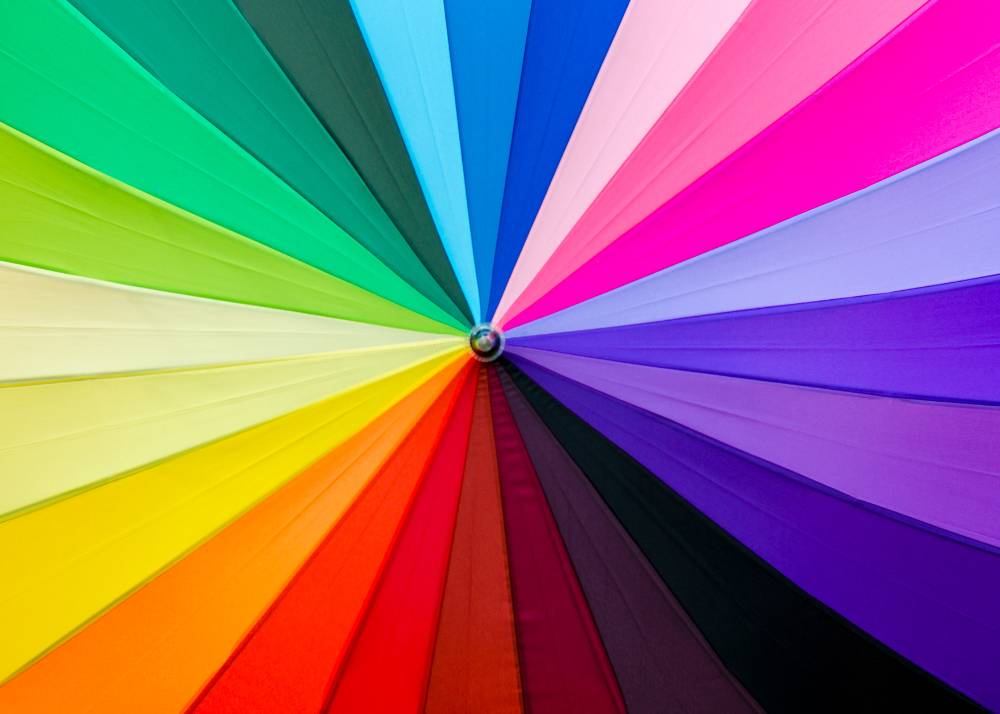
In the vibrant world of visual creativity, selecting the right colors can make or break a project. Utilizing the right tools can transform your color selection process into a seamless and inspiring experience. From digital software to traditional methods, a variety of tools are available to help you create stunning color palettes that captivate your audience.Modern color selection tools offer intuitive interfaces and extensive libraries of colors and palettes, making them essential for any creative professional.
Understanding the advantages and disadvantages of these tools can significantly impact your workflow and creativity.
Popular Digital Tools for Color Selection
Digital tools have revolutionized the way creatives approach color selection. Here are some of the most popular software and applications that provide robust features for color palette creation:
- Adobe Color: A web-based tool that allows users to create color schemes based on the color wheel and various color harmony rules. Users can save and share their color palettes directly to Adobe Creative Cloud for easy access.
- Coolors: This user-friendly color scheme generator enables quick creation of color palettes with a simple click of the spacebar. Users can lock colors they like and explore new combinations effortlessly.
- Canva Color Palette Generator: An excellent tool for generating color palettes from images. Simply upload an image, and the generator extracts the dominant colors to create a customized palette.
- Color Hunt: A curated collection of beautiful color palettes, ideal for inspiration. Users can browse through various categories and save their favorite palettes for future reference.
These digital tools provide features such as collaboration, easy sharing, and integrations with design software, making them invaluable for any visual creative.
Step-by-Step Procedures for Using Color Tools Effectively
Here’s how to maximize the potential of these digital tools for effective color selection:
1. Define Your Concept
Start with a clear understanding of your project’s theme and audience. This will guide your color choices.
2. Explore the Tool
Open your chosen color selection tool and familiarize yourself with its features. Look for options like color harmony settings, palette generation, and sharing capabilities.
3. Create Initial Palettes
Use the tool to create initial color palettes based on your concept. Experiment with different color harmonies, such as complementary or analogous colors.
4. Refine Your Choices
Narrow down your palette by selecting colors that resonate well together. Utilize the tool’s lock feature to keep your favorite colors while generating new options.
5. Test in Context
Apply your color selections to your designs. Visualize how your palette works within the overall composition to ensure it aligns with your creative goals.
6. Save and Share
Once satisfied, save your palettes for future projects. Many tools allow you to export your selections in various formats, making sharing with collaborators easy.Utilizing these steps ensures a systematic approach to color selection, optimizing the creative process.
Advantages and Disadvantages of Traditional vs. Digital Color Selection Methods
Understanding the strengths and weaknesses of both traditional and digital methods enhances your creative toolkit. Traditional methods, such as paint swatches or color wheels, provide a tactile experience that can lead to unexpected inspiration. However, they lack the versatility and speed of digital tools. Digital methods offer instant access to a vast array of colors and palettes, along with the ability to experiment effortlessly.
The downside may include reliance on technology, which can sometimes hinder creativity when users feel constrained by screens.
The choice between traditional and digital tools ultimately depends on the project requirements and personal preference of the creative.
Experimenting with Color
In the realm of visual creativity, color experimentation is not just encouraged; it is essential. By delving into the vibrant world of colors, creatives can unlock new dimensions of their artistic expressions. Experimentation allows for the exploration of unexpected combinations and the discovery of unique palettes that resonate with specific emotions and narratives.The practice of experimenting with color in various projects opens doors to innovation and creativity.
Designers can push boundaries and challenge conventional norms, leading to groundbreaking visual outcomes. Embracing this iterative design process not only enhances artistic skills but also builds confidence in making bold color choices.
Mood Board Creation for Color Exploration
Mood boards serve as a powerful tool for visualizing and experimenting with color palettes. A well-constructed mood board can crystallize your ideas and inspirations, making color selection a more informed and intuitive process. Here are some effective methods for creating mood boards that feature diverse color schemes:
1. Collect Inspiration
Gather images, textures, and designs that resonate with your vision. This can include photographs, fabric swatches, or even snippets of text that evoke specific feelings.
2. Define Color Palettes
Choose a selection of colors that stand out in your inspiration. Use tools like Adobe Color or Coolors to create harmonious palettes that reflect your project’s theme.
3. Arrange and Edit
Compile your selected elements on a digital platform like Canva or a physical board. Play with the arrangement until the composition feels balanced and visually appealing.
4. Analyze and Reflect
Step back to assess the mood board. Does the color palette communicate the intended message? Adjust as needed by swapping out colors or images to refine the emotional impact.Creating mood boards enables you to experiment with various hues and shades, helping you visualize the overall aesthetic direction of your project before diving into the execution phase.
Benefits of Iterative Design Processes
The iterative design process is fundamental to effective color experimentation. This approach allows creatives to refine their work through cycles of prototyping, feedback, and revision. Here are several key benefits associated with iterative design in relation to color experimentation:
Increased Creativity
Iteration fosters a mindset where experimentation is key. By allowing yourself to explore different color combinations, you can stumble upon innovative solutions that stand out in the market.
Enhanced Feedback Integration
Engaging with peers or clients during the design process can yield valuable insights. Feedback on color choices can lead to modifications that better align with your audience’s expectations and preferences.
Refinement of Skills
Regularly experimenting with color builds a deeper understanding of color theory and its practical applications. Over time, this leads to improved decision-making and a more intuitive grasp of color dynamics.
Cohesion in Branding
For branding projects, iterative design processes ensure that color schemes are not only visually appealing but also cohesive with the brand’s identity. Through experimentation, a brand can discover a color palette that resonates with its target audience and stands out in a competitive landscape.By embracing color experimentation and iterative design, visual creatives can transform their approach, yielding impactful and memorable projects that captivate and engage audiences.
Questions and Answers
What is color theory?
Color theory is a set of principles used to understand how colors interact, influence emotions, and can be effectively used in design and art.
How can I create a color palette?
You can create a color palette by selecting colors that complement each other based on color harmony principles, using tools like color wheels or design software.
What is the difference between RGB and CMYK?
RGB (Red, Green, Blue) is used for digital displays, while CMYK (Cyan, Magenta, Yellow, Black) is used for print materials.
How does color impact branding?
Color influences consumer perceptions and can evoke specific emotions, making it a powerful tool in establishing brand identity.
What are some tips for choosing colors for a project?
Consider your target audience, the project’s purpose, and use color harmony principles to choose a scheme that aligns with your goals.