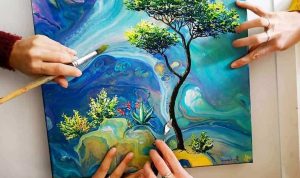
Art History Explained: From Renaissance to Contemporary Art immerses you in the vibrant evolution of artistic expression, showcasing how art has not only evolved but also shaped and reflected societal values over centuries. From the profound beauty of the Renaissance to the bold concepts of contemporary art, this exploration journeys through various movements, revealing the rich tapestry of human experience portrayed through the creativity of master artists.
Dive into the intricate connections between art and its socio-political context, uncovering recurring themes that resonate through time, and see how the legacies of iconic figures have influenced countless generations of artists and art lovers alike.
Overview of Art History
Studying art history from the Renaissance to contemporary art provides a profound understanding of how art reflects and shapes cultural, social, and political landscapes. The significance lies not only in appreciating artistic beauty but also in grasping the complex narratives that accompany each movement, offering insights into human experiences across time.The evolution of artistic movements illustrates a dialogue between artists and their socio-political contexts.
Each era has been marked by distinct influences, from the humanism of the Renaissance to the revolutionary expressions of modernism and beyond. Artists interacted with their surroundings, responding to events such as wars, the rise of individualism, and technological advancements. This dynamic relationship shaped the themes and techniques employed in art, creating a rich tapestry of human expression.
Artistic Movements and Their Contexts
The following key artistic movements demonstrate how socio-political contexts have influenced artistic expressions throughout history:
- Renaissance (14th-17th Century)
-A revival of classical learning and values, emphasizing humanism and naturalism in art, driven by shifts in philosophy and science. - Baroque (17th-18th Century)
-Characterized by dramatic expressions and grandeur, influenced by the Counter-Reformation and the need for emotional engagement in art. - Romanticism (Late 18th-19th Century)
-A response to industrialization, emphasizing emotion, nature, and individualism, reflecting societal changes and the reaction against Enlightenment rationality. - Modernism (Late 19th-20th Century)
-Marked by a break from traditional forms and an exploration of abstraction, this movement arose in response to rapid modernization and the horrors of war. - Contemporary Art (1970s-Present)
-Reflects global and multicultural influences, addressing issues such as identity, technology, and the environment, often engaging with political and social themes directly.
Recurring Themes in Art History
Art history reveals several recurring themes that have transcended time and culture, underscoring the universal human experience:
- Identity and Self-Expression
-Artists frequently explore themes of personal and collective identity, reflecting societal values and their implications on self-perception. - Nature and the Environment
-The depiction of nature serves as both a subject of beauty and a commentary on humanity’s relationship with the environment. - Political Commentary
-Art has long been a medium for critique, allowing artists to respond to and challenge political situations and social injustices. - Beauty and Aesthetics
-The pursuit of beauty remains a central focus, evolving with artistic styles while retaining its importance as a cultural touchstone. - Cultural Narratives
-Art serves as a vessel for storytelling, capturing the myths, beliefs, and histories of diverse cultures throughout time.
The study of art history is a journey through the minds and experiences of humanity, revealing how each brushstroke tells a story of our collective narrative.
The Renaissance Period
The Renaissance period, spanning from the 14th to the 17th century, marked a monumental shift in the landscape of art, culture, and intellectual thought in Europe. Emerging from the shadows of the medieval era, this vibrant epoch ushered in a renewed appreciation for classical antiquity, drawing inspiration from the art and philosophy of ancient Greece and Rome. It was a time defined by innovation and exploration, not only in the visual arts but also in literature, science, and humanist thought.
One of the defining characteristics of Renaissance art was the move towards realism and naturalism. Artists began to focus on the accurate representation of the human form and the use of perspective, creating works that evoked a sense of depth and three-dimensionality. This marked a significant departure from the flat, symbolic style of medieval art, which often prioritized religious themes over realistic depiction.
Artists utilized techniques like chiaroscuro (the use of strong contrasts between light and dark) and sfumato (the soft blending of colors) to achieve a more lifelike quality in their paintings.
Influence of Humanism on Renaissance Artists
Humanism played a crucial role in shaping the artistic landscape of the Renaissance. It emphasized the value of human potential and achievements, encouraging artists to explore themes of individuality, emotion, and the natural world. This shift in focus can be seen in the following ways:
- Revival of Classical Themes: Artists drew from classical literature and mythology, incorporating these elements into their works to celebrate human experience and knowledge.
- Focus on Individualism: Portraits and depictions of individual figures became more common, showcasing distinct personalities and emotions.
- Emphasis on Education: Artists often engaged in extensive studies of anatomy, perspective, and philosophy, which informed their work and contributed to their mastery of the craft.
These elements highlight how humanism inspired a more profound exploration of the human condition within the artistic sphere.
Notable Artists of the Renaissance
The Renaissance was home to some of history’s most renowned artists whose works continue to resonate. Leonardo da Vinci, Michelangelo, and Raphael, each contributed uniquely to the period’s artistic legacy. Their distinctive styles and innovations can be compared as follows:
- Leonardo da Vinci: A quintessential polymath, da Vinci’s work exemplified the Renaissance ideal. His masterpieces, such as the “Mona Lisa” and “The Last Supper,” showcased not only his artistic skill but also his scientific curiosity, particularly in human anatomy and perspective.
- Michelangelo: Renowned for his sculptural prowess, Michelangelo’s “David” and the stunning ceiling of the Sistine Chapel epitomize the grandeur and emotional depth of Renaissance art. His ability to convey human emotion through marble and paint set a benchmark for future generations.
- Raphael: Known for his harmonious compositions and serene figures, Raphael’s works, including “The School of Athens,” reflect the ideals of beauty and balance. His ability to incorporate classical elements with innovative techniques established him as a leading figure in the High Renaissance.
Through their contributions, these artists not only defined the aesthetic standards of their time but also left an indelible mark on the trajectory of Western art.
Baroque and Rococo Styles
The Baroque and Rococo styles mark significant movements in art history, characterized by their distinct emotional expressions and aesthetic qualities. Emerging in the 17th century, Baroque art is noted for its drama, movement, and bold use of light and shadow, while Rococo, flourishing in the 18th century, presents a lighter, more playful approach to art, focusing on themes of love, nature, and pleasure.Baroque art is celebrated for its emotional intensity, utilizing dynamic compositions and theatrical contrasts to evoke feelings from the viewer.
This period is characterized by a strong interaction between various elements, emphasizing movement and grandeur. Artists frequently employed techniques such as chiaroscuro—a striking contrast of light and dark—to enhance the dramatic impact of their works.
Main Features of Baroque Art
Baroque art’s core features reflect vigorous energy and emotional depth. Key characteristics include:
- Dramatic Use of Light and Shadow: Artists like Caravaggio revolutionized the portrayal of light, employing stark contrasts to create a three-dimensional effect.
- Emotional Intensity: Works often depict intense emotional expressions, inviting viewers to engage with the narrative at a personal level.
- Dynamic Composition: Movement is a vital component, with swirling figures and diagonal lines guiding the viewer’s eye through the artwork.
- Grandeur and Scale: Many Baroque pieces are monumental in size, meant to awe spectators and convey the power of the church or monarchy.
“Baroque art is not merely a visual experience; it is an emotional journey steeped in drama and movement.”
Rococo Art’s Themes and Aesthetics
Rococo art presents a departure from the somber themes of Baroque, emphasizing light-heartedness and grace. Its aesthetic features a playful use of color, intricate details, and a focus on themes of love, leisure, and nature. Examples of the Rococo style’s divergence from earlier art include:
- Pastoral and Romantic Themes: Unlike the religious or historical subjects of the Baroque era, Rococo art often celebrates love and nature, depicted through idyllic scenes and playful motifs.
- Delicate Ornamentation: Rococo works are characterized by ornate detailing, such as curvy forms and intricate patterns, enhancing the sense of whimsy.
- Soft Color Palette: The use of pastel colors contrasts sharply with the bold hues of Baroque, creating a more light and airy feel.
Contributions of Key Artists
Artistic giants like Caravaggio and Fragonard played pivotal roles in shaping the Baroque and Rococo movements. Caravaggio’s innovative use of chiaroscuro and realistic depictions of human emotion set the groundwork for Baroque artists, while Fragonard epitomized the Rococo spirit with his playful and romantic canvases.
- Caravaggio: His works such as “The Calling of Saint Matthew” exemplify the Baroque style with dramatic lighting and intense narratives.
- Fragonard: Known for “The Swing,” his art captures the playful and flirtatious spirit of Rococo, combining vibrant colors with enchanting themes.
Through these movements, Baroque and Rococo art have left an indelible mark on the history of art, showcasing the evolution of emotional expression and aesthetic preference in visual storytelling.
Neoclassicism and Romanticism
Neoclassicism and Romanticism represent two significant movements in art history that emerged in response to the cultural and political climates of their respective eras. Neoclassicism, developed in the mid-18th century, sought to revive the classical ideals of ancient Greece and Rome, characterized by clarity, order, and rationality, as a direct response to the ornate extravagance of the Baroque period. In contrast, Romanticism, which flourished in the late 18th and early 19th centuries, emphasized emotion, individualism, and the sublime aspects of nature, reacting against the perceived constraints of Neoclassical principles.Neoclassicism emerged as artists and intellectuals sought to move away from the emotional excesses of the Baroque and Rococo styles.
With a focus on simplicity and symmetry, Neoclassical art drew inspiration from classical antiquity, emphasizing reason and moral virtue. Key figures such as Jacques-Louis David embodied this movement through works that showcased historical and mythological subjects with a focus on stoic heroism and virtue. The principles of Neoclassicism can be summarized as follows:
- Rationality: Valuing reason over emotion, Neoclassicism sought to represent moral lessons through art.
- Order and Clarity: Emphasis on clean lines, balanced compositions, and harmonious color palettes defined this movement.
- Historical Themes: Inspiration from ancient history and mythology was a hallmark of Neoclassical works, often depicting heroic figures.
- Formality: The style favored a formal approach to composition, often including idealized figures and settings.
Romanticism emerged as a reaction to the rationalism of Neoclassicism, emphasizing emotion, imagination, and the beauty of the natural world. Romantic artists aimed to convey deep feelings and the sublime aspects of life, often exploring themes of nature, individuality, and the supernatural. The movement celebrated the power of the human spirit and the emotional depth of human experiences. Key characteristics of Romantic art include:
- Emotion and Individualism: Romantic artists emphasized personal expression and emotional depth, often portraying intense feelings.
- The Sublime: Nature was depicted as a powerful and awe-inspiring force, often representing both beauty and danger.
- Escape from Reality: Romanticism often included elements of fantasy and imagination, contrasting with the rationality of Neoclassicism.
- Focus on the Past: Many Romantic artists drew inspiration from folklore, myth, and the medieval past, celebrating cultural heritage.
When comparing artworks from Neoclassicism and Romanticism, the ideological contrasts become evident. For instance, Jacques-Louis David’s “Oath of the Horatii” exemplifies Neoclassicism through its emphasis on stoic heroism and moral fortitude, while Caspar David Friedrich’s “Wanderer above the Sea of Fog” embodies Romantic ideals by showcasing a solitary figure amidst a vast, mysterious landscape, evoking feelings of introspection and the sublime.
“Romanticism is precisely situated neither in choice of subject nor in exact truth, but in a mode of feeling.”
These movements not only reflect the artistic trends of their time but also serve as cultural touchstones that reveal the evolving perspectives on human experience and expression through art.
Impressionism and Post-Impressionism
The transition from traditional art forms to Impressionism marked a revolutionary shift in the art world during the late 19th century. Impressionist artists sought to capture the fleeting moments of life, emphasizing light, color, and the effects of atmosphere over precise detail. They embraced a new way of seeing that transformed the artistic landscape, paving the way for Post-Impressionism, which further broadened the scope of artistic expression.Impressionism was characterized by groundbreaking techniques that forever changed the approach to painting.
Artists like Claude Monet, Pierre-Auguste Renoir, and Edgar Degas employed loose brushwork and vibrant colors to convey the immediacy of their subjects. They often painted en plein air, or outdoors, allowing them to capture the natural light and its effects on the environment. This method resulted in artworks that appeared spontaneous and alive, inviting viewers to experience the scene as if they were part of it.
Revolutionary Techniques in Impressionism
The techniques employed by Impressionist artists were not only innovative but also challenged the conventions of the time. Some key aspects include:
- Broken Color: Instead of blending colors smoothly, Impressionists applied distinct strokes of color side by side, allowing the viewer’s eye to combine them at a distance, creating a vibrant effect.
- Light and Shadow: They focused on the effects of light and shadow, using color to depict shadow rather than relying on dark tones, which gave their work an ethereal quality.
- Everyday Subjects: Impressionists moved away from grand historical themes and instead portrayed scenes of everyday life, capturing moments of leisure, nature, and urban life.
- Unconventional Composition: Many Impressionist paintings featured unusual perspectives and compositions, reflecting a snapshot of life rather than a carefully arranged scene.
The transition from Impressionism to Post-Impressionism involved a shift towards more personal expression and emotional depth in art. Artists like Vincent van Gogh and Paul Cézanne built on the foundation laid by the Impressionists but sought to express their inner feelings through color and form.
Unique Contributions of Key Artists
The contributions of Impressionist and Post-Impressionist artists were significant in the evolution of modern art. Their distinct styles and philosophies can be seen in the following ways:
- Claude Monet: Renowned for his series paintings, such as “Water Lilies,” Monet’s exploration of light and color captured the essence of a moment. His technique of layering color created a sense of movement and atmosphere, inviting the viewer into a world of sensory experience.
- Vincent van Gogh: Van Gogh’s emotive use of color and dynamic brushwork was groundbreaking. In works like “Starry Night,” he utilized swirling forms and vivid colors to convey his emotional state, thus setting the stage for expressionism.
- Paul Cézanne: Often referred to as the father of modern art, Cézanne redefined the approach to form and perspective. His method of constructing complex compositions from geometric shapes paved the way for Cubism, emphasizing the artist’s individual perception of reality.
Modern Art Movements
The evolution of art from the early 20th century marked a significant departure from traditional forms, leading to the emergence of groundbreaking movements such as Cubism, Surrealism, and Abstract Expressionism. These movements not only transformed the visual arts but also reflected the complex realities of modern life, characterized by rapid technological advancements, social change, and evolving cultural dynamics. The impact of these shifts on artistic expression was profound, fostering new techniques and ideologies that encouraged artists to explore beyond conventional representation.
This period saw a departure from the mimetic tradition, paving the way for innovative styles and ideas that would resonate across various cultures and societies.
Cubism, Surrealism, and Abstract Expressionism
Cubism, pioneered by artists like Pablo Picasso and Georges Braque, redefined the perception of space and form by breaking subjects into geometric shapes and presenting them from multiple viewpoints. This revolutionary approach challenged the traditional notions of perspective and representation, emphasizing the flatness of the canvas rather than creating an illusion of depth. Surrealism emerged in the 1920s as a reaction against rationalism and the constraints of reality, drawing heavily from the unconscious mind.
Artists such as Salvador Dalí and René Magritte produced dream-like imagery that combined unexpected elements to reveal deeper psychological truths. Their works often featured bizarre juxtapositions and fantastical scenes, prompting viewers to question their perceptions of reality.Abstract Expressionism, which flourished in the 1940s and 1950s, marked a significant shift towards individual expression. Artists like Jackson Pollock and Mark Rothko focused on the act of painting itself, emphasizing spontaneity and emotional intensity.
Through techniques such as drip painting and color field painting, they sought to communicate profound feelings and ideas, often reflecting the tumultuous socio-political climate of the time.
Technological Advancements and Artistic Expression
The rapid advancements in technology during the modern era significantly influenced artistic practices and the dissemination of art. From the advent of photography to digital media, artists found new tools and methods to express their creativity. Photography, in particular, altered the landscape of visual art by challenging the need for realistic representation. With the ability to capture moments in time, artists began to explore abstraction and alternative perspectives.
Moreover, the rise of digital technologies has enabled contemporary artists to create immersive experiences through installations and multimedia art, further expanding the definition of what art can be.
Cultural Influences on Modern Art
Modern art movements were not confined to European contexts; they drew inspiration from various cultures around the globe. The following points highlight the diverse influences that shaped modern art trends:
- African Art: The use of tribal masks and sculptures inspired European artists, particularly within the context of Cubism, leading to a more abstract representation of form and figure.
- Eastern Philosophies: The incorporation of Zen Buddhism and other Eastern philosophies encouraged artists to explore concepts of spirituality and the nature of reality, evident in the works of Abstract Expressionists.
- Indigenous Practices: Native American and Aboriginal art contributed to the dialogue on identity, space, and form, influencing artists to incorporate narrative and cultural symbolism into their works.
“Art is not freedom from discipline, but disciplined freedom.”
André Gide
Through these movements and exchanges, modern art became a rich tapestry woven from diverse cultural threads, reflecting a global conversation that continues to evolve today.
Contemporary Art Trends
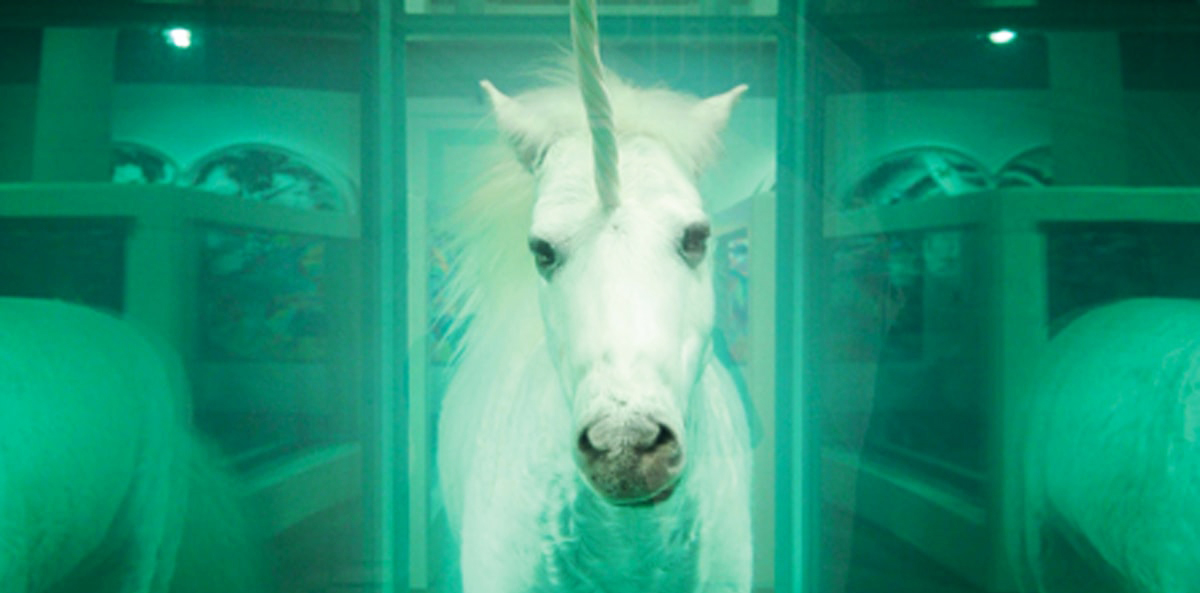
Contemporary art represents an evolving dialogue between creativity, technology, and society, showcasing a dynamic landscape that challenges traditional art forms. In this section, we will explore the transformative impact of conceptual art, the influence of digital media, and highlight key contemporary artists who are redefining the boundaries of artistic expression.
Conceptual Art and Its Implications
Conceptual art prioritizes the idea behind the artwork over its aesthetic value, fundamentally shifting the way art is perceived. This movement emerged in the 1960s and has led to the questioning of what constitutes art itself. Artists such as Marcel Duchamp, with his iconic piece “Fountain,” have set the stage for contemporary creators to explore concepts rather than craftsmanship. The implications of this trend are profound:
- Redefinition of value in art, where the notion of ‘art’ extends beyond traditional mediums.
- Encouragement of viewer participation and interpretation, fostering a dialogue between artist and audience.
- Shift towards interdisciplinary practices, blending visual art with performance, literature, and social activism.
“The artwork is the idea, not the object.”
Sol LeWitt
Influence of Digital Media on Contemporary Artists
Digital media has revolutionized the way art is created, distributed, and experienced. Today, contemporary artists leverage technology to engage with their audiences in innovative ways. The accessibility of digital tools has democratized art-making, allowing anyone to create and showcase their work online.Key influences include:
- The rise of social media platforms, allowing artists to reach global audiences instantly and interactively.
- The use of virtual reality and augmented reality, providing immersive experiences that challenge physical dimensions of art.
- Digital installations and multimedia presentations that integrate sound, video, and interactivity, breaking conventional boundaries.
Key Contemporary Artists and Their Groundbreaking Works
Several contemporary artists stand out for their innovative approaches and significant contributions to the art world. Their works not only reflect personal narratives but also engage with broader social and political themes.Notable figures include:
- Ai Weiwei
-Known for his provocative installations, such as “Sunflower Seeds,” which comment on mass consumption and human rights issues. - Yayoi Kusama
-Celebrated for her immersive infinity rooms and polka dot motifs that explore themes of obsession and the self. - Banksy
-An anonymous street artist whose politically charged works, like “Girl with a Balloon,” challenge social norms and provoke public discourse.
Through their groundbreaking works, these artists continue to inspire new generations, pushing the envelope of what art can be and how it can influence society.
Art History and Society: Art History Explained: From Renaissance To Contemporary Art
Art serves as a mirror reflecting the complexities and values of society throughout different historical periods. The evolution of art is intricately tied to the social, political, and cultural contexts in which it is created. By examining artworks, we can uncover insights into the societal norms, struggles, and triumphs that have shaped human experience across the ages.Art reflects societal values and historical events through various mediums and styles, often acting as both a commentary and a catalyst for change.
From the grand narratives depicted in Renaissance paintings to the raw expressions found in contemporary installations, art encapsulates the zeitgeist of its time. Artists respond to the issues surrounding them—whether they be war, social injustice, or shifts in cultural identity—transforming personal experiences into universal messages.
Role of Public Art in Community Identity
Public art plays a significant role in shaping community identity and fostering a sense of belonging among residents. Murals, sculptures, and installations integrated into public spaces serve as visual narratives that reflect local history, culture, and aspirations. The importance of public art can be highlighted through various aspects:
- Community Engagement: Public art initiatives often invite collaboration among artists, local governments, and community members, creating a platform for dialogue and interaction.
- Cultural Representation: By highlighting local narratives and cultural heritage, public art helps celebrate diversity and promote inclusivity within communities.
- Economic Impact: Engaging public art projects can attract tourism, boost local economies, and encourage investment in community development.
- Place-Making: Thoughtfully designed public art enhances the visual appeal of neighborhoods, fostering a unique sense of place that can enhance residents’ pride and connection to their environment.
“Art is the most beautiful of all lies.” – Claude Debussy
Contemporary Issues in Art, Art History Explained: From Renaissance to Contemporary Art
The landscape of contemporary art is increasingly intertwined with pressing societal issues such as race, gender, and politics. Artists utilize their platforms to challenge societal norms, provoke thought, and inspire action. Several notable contemporary movements and their impacts include:
- Feminist Art Movement: Addressing gender inequality, artists like Judy Chicago and Barbara Kruger create works that challenge traditional representations of women and advocate for women’s rights.
- Black Lives Matter Movement: Artists such as Kehinde Wiley and Carrie Mae Weems use their work to confront racial injustice, reflecting on the experiences of Black Americans and the broader implications of systemic racism.
- Political Art: The use of satire and social commentary in art by artists like Banksy highlights political issues, prompting viewers to examine their beliefs and the world around them.
These movements illustrate the power of art as a vehicle for social commentary, capable of sparking conversations that resonate with audiences far beyond the canvas.
The Future of Art
In today’s rapidly evolving cultural landscape, the future of art is an exciting frontier defined by the integration of technology, globalization, and innovative mediums. As artists continue to explore new realms of creativity, the dialogue between tradition and modernity expands, unveiling endless possibilities for artistic expression.Emerging trends signal a transformative shift in how art is created, experienced, and perceived. The fusion of technology and art opens new dimensions for artistic innovation, enhancing the way audiences interact with creative works.
Artists are increasingly utilizing virtual reality (VR), augmented reality (AR), and artificial intelligence (AI) to push boundaries and redefine mediums.
Integration of Technology in Art
The integration of technology into artistic practices has led to groundbreaking developments that redefine the art world. Various technologies are now being adopted by artists to create immersive experiences and redefine traditional forms of art. These advancements include:
- Virtual Reality (VR): VR has revolutionized how audiences experience art by allowing them to step into a three-dimensional environment. For instance, installations like “The Obliteration Room” by Yayoi Kusama invite viewers to interact with the art, transforming their surroundings in real time.
- Augmented Reality (AR): AR enhances physical artwork by overlaying digital elements that create interactive experiences. The app “Artivive” allows artists to animate their paintings, bringing static images to life for viewers engaging with the work through their smartphones.
- Artificial Intelligence (AI): AI is being utilized to generate artworks that challenge conventional notions of creativity. Projects like “Edmond de Belamy,” an AI-generated portrait, have sparked debates about authorship and the definition of art itself.
Globalization and Artistic Practices
Globalization has significantly influenced artistic practices, leading to a rich exchange of ideas and cultural expressions across borders. As artists collaborate and draw inspiration from diverse cultures, the art world becomes a melting pot of influences. This interconnectedness allows for:
- Cultural Fusion: Artists are blending styles and techniques from various cultures, creating unique works that reflect a globalized perspective. For example, the use of traditional African patterns and motifs can be seen in contemporary fashion and design.
- Access to New Markets: Artists can now reach broader audiences through online platforms, enabling them to showcase their work globally. Artists like Banksy have gained international recognition by utilizing social media for their activism and art dissemination.
- Collaborative Projects: Global collaborations are emerging more frequently, where artists from different backgrounds come together to create shared experiences, such as the “Inside Out Project” initiated by JR, which gathers portraits from around the world to promote social causes.
Shaping the Future with New Mediums
The emergence of new mediums is reshaping the landscape of contemporary art, allowing artists to express their visions in unprecedented ways. As technology advances, the artistic palette expands to include:
- Digital Art: The rise of digital platforms has led to the proliferation of artworks that exist solely in the virtual space. Artists like Beeple have gained acclaim for their NFT (Non-Fungible Token) artworks, which have fetched millions in sales.
- Interactive Installations: Exhibitions like “TeamLab Borderless” exemplify how interactive installations create immersive environments that allow viewers to engage actively with the artwork, transforming spectators into participants.
- Sustainable Practices: With a growing emphasis on environmental consciousness, artists are exploring eco-friendly materials and practices. Artists like Olafur Eliasson incorporate natural elements into their work, encouraging viewers to reflect on the relationship between art and nature.
As we look ahead, the future of art is poised to reflect the dynamic relationship between innovation, cultural exchange, and the ever-evolving human experience. This exciting journey promises not only new artistic forms but also a deeper understanding of the world around us.
General Inquiries
What is the significance of studying art history?
Studying art history allows us to understand cultural and societal changes, appreciate artistic expressions, and recognize the influences of historical events on art.
How did humanism influence Renaissance artists?
Humanism shifted the focus to human experience and emotion, inspiring Renaissance artists to depict more realistic and relatable subjects in their works.
What defines modern art movements?
Modern art movements are characterized by a break from traditional forms, exploring abstraction, new materials, and innovative techniques to express contemporary themes.
How has technology impacted contemporary art?
Technology has transformed artistic practices, enabling new mediums such as digital art, interactive installations, and multimedia experiences that challenge traditional definitions of art.
What role does public art play in communities?
Public art fosters community identity, encourages dialogue, and enhances public spaces, making art accessible to all and inviting engagement with local culture.