Digital vs Acoustic Instruments: Which One Is Better for Musicians? This question sparks a vibrant debate among musicians, enthusiasts, and producers alike. In a world where technology intertwines with artistry, understanding the nuances of digital and acoustic instruments is essential for anyone looking to enhance their musical journey. From the innovative capabilities of digital devices to the timeless charm of acoustic sounds, both types of instruments offer unique advantages tailored to different preferences and contexts.
As we explore the landscapes of sound, performance, and personal style, we will dive deep into what makes each category special. Whether you’re a budding musician or a seasoned artist, this discussion promises to illuminate the essential factors that can influence your instrument choice.
Overview of Digital Instruments
Digital instruments have revolutionized the music industry by incorporating advanced technology to enhance sound production, manipulation, and accessibility for musicians. These instruments utilize digital signals to create, modify, and reproduce sound, offering musicians a wide range of capabilities that traditional acoustic instruments may not provide.Digital instruments function by converting sound waves into digital data, which can then be processed using software or hardware.
This technology allows for a variety of functionalities, such as synthesizing new sounds, recording, and editing music with precision. One of the key components of digital instruments is the Digital Audio Workstation (DAW), which serves as a central hub for music production. Musicians can utilize MIDI (Musical Instrument Digital Interface) to connect various digital instruments and control their sound parameters effortlessly.
Popular Digital Instruments in Modern Music
The landscape of modern music is filled with an array of digital instruments that have become staples for many artists and producers. Here are some noteworthy examples:
- Synthesizers: Instruments like the Moog Sub 37 and the Yamaha DX7 are renowned for their ability to generate a wide variety of sounds, from bass lines to atmospheric pads.
- Electronic Drum Kits: Brands like Roland and Alesis have crafted electronic drum sets that provide the feel of acoustic drums while allowing for extensive sound customization and built-in effects.
- Digital Pianos: Instruments such as the Yamaha P-125 and the Korg SV-2 deliver authentic piano sounds and feel while integrating modern features like MIDI connectivity and recording capabilities.
- Sampling Instruments: Devices like the Akai MPC series allow musicians to sample sounds, manipulate them, and create beats, making them indispensable in genres like hip-hop and electronic music.
The advantages of using digital instruments in music production are manifold. They provide unparalleled versatility, allowing musicians to experiment with a vast palette of sounds without the constraints of physical space or the limitations of traditional acoustic instruments. Digital instruments also facilitate easier collaboration through DAWs, enabling musicians to work remotely and share projects seamlessly.
“Digital instruments empower musicians to transcend traditional boundaries, enabling them to explore new sonic landscapes and collaborate effortlessly.”
Moreover, the ability to edit and manipulate recordings with precision makes digital instruments a favorite among producers. The integration of effects, virtual instruments, and plugins enhances creativity, making the music production process more efficient and innovative.
Overview of Acoustic Instruments
Acoustic instruments have played a vital role in the rich tapestry of music history, offering unique soundscapes that resonate with authenticity and emotion. These instruments, constructed primarily from natural materials, produce sound through physical vibrations without the need for electronic amplification, creating a sonic experience that is deeply rooted in tradition.The construction of acoustic instruments involves a variety of materials such as wood, metal, and animal skins.
The choice of material greatly influences the instrument’s tonal qualities. For example, wooden instruments like violins and guitars utilize the natural resonance of wood to amplify sound. In contrast, brass instruments produce sound through the vibration of air in a tube, shaped by the player’s lips. Each instrument’s design contributes to its unique sound production, making them a favorite among musicians who appreciate organic sound.
Iconic Acoustic Instruments and Their Historical Significance
Throughout history, certain acoustic instruments have achieved iconic status, each carrying a unique legacy and cultural significance. These instruments not only shaped musical genres but also represented the artistic expressions of their time. Here are a few of the most influential acoustic instruments:
- Violin: Developed in the early 16th century, the violin has been central to classical music and folk traditions worldwide.
- Guitar: With roots tracing back to ancient civilizations, the guitar evolved through the centuries to become a staple in various music genres, from flamenco to rock.
- Piano: Invented in the early 18th century, the piano revolutionized music composition and performance, bridging the gap between instrumental and vocal music.
- Flute: One of the oldest musical instruments, the flute has been integral to many cultural heritages, often symbolizing elegance and grace.
- Drums: With their primal roots, drums have been essential in rituals and celebrations, providing rhythm and unity in music across cultures.
The unique qualities of acoustic instruments shine particularly in performance settings. Their warmth and depth create an engaging atmosphere that captivates audiences. Acoustic instruments allow for dynamic expression, presenting nuances that electronic counterparts often struggle to replicate. The spontaneity of live performance, where musicians interact with the acoustic environment, adds a layer of excitement that enhances the overall experience.
“The sound of an acoustic instrument transcends mere notes; it carries the emotions and stories of the musician.”
In conclusion, the timeless appeal of acoustic instruments lies not only in their craftsmanship and historical significance but also in their unparalleled ability to connect with listeners on a profound level.
Comparison of Sound Quality
When it comes to music, sound quality is paramount. Musicians often debate the merits of digital versus acoustic instruments, with each offering unique tonal characteristics and experiences. Understanding these differences is essential for musicians looking to excel in their respective genres, as the choice of instrument can significantly impact the overall sound and feel of a piece.Digital instruments, such as synthesizers and digital pianos, utilize technology to create and manipulate sounds.
These instruments often provide a wide range of sound options, ranging from realistic emulations of acoustic instruments to entirely synthetic sounds. In contrast, acoustic instruments, like pianos, guitars, and violins, produce sound through physical vibrations and resonate naturally, offering a warm, organic tone that many musicians cherish.
Step into a world of style and sustainability with eco-friendly fashion! Discover how to build a sustainable wardrobe that not only looks great but also cares for the planet. Learn tips and tricks on selecting eco-conscious materials and brands in our guide, Eco-Friendly Fashion: How to Build a Sustainable Wardrobe. Transform your closet while making a positive impact on the environment today!
Sound Characteristics of Digital Instruments
Digital instruments are lauded for their versatility and innovative sound manipulation capabilities. They can replicate a wide array of sounds, making them suitable for various music genres. Here are some key characteristics:
- Precision and Control: Digital instruments allow musicians to manipulate sound with incredible detail, offering control over pitch, modulation, and effects.
- Variety of Sounds: A digital synthesizer can produce anything from traditional instrument sounds to unique electronic textures, making it ideal for genres like electronic, pop, and experimental music.
- Consistency: Digital sound remains unaltered, regardless of the environment or setup, ensuring a reliable performance every time.
To illustrate, consider a digital synthesizer capable of producing a rich, layered soundscape perfect for modern pop tracks, contrasting with an acoustic setup that might not achieve such complexity without extensive layering.
Sound Characteristics of Acoustic Instruments
Acoustic instruments are celebrated for their natural sound qualities and emotional resonance. They produce sound through physical means, which contributes to their unique timbre and character. Here’s why many musicians prefer acoustic instruments:
- Richness and Warmth: The natural resonance of wood and metal in acoustic instruments creates a rich, full-bodied sound that is often described as warm and inviting.
- Expressiveness: Musicians can add subtle nuances to their performance, such as dynamics and inflections, which are often lost in digital sound.
- Genre Authenticity: Acoustic instruments are essential in genres like classical, folk, and jazz, where the organic sound adds to the authenticity and emotive power of the music.
For example, a classical guitar strumming an open chord produces harmonics that resonate in the air, creating an atmospheric quality that electronic instruments may struggle to replicate. This warmth is a defining characteristic in genres that rely heavily on acoustic sounds.
“Digital instruments excel in versatility and sound manipulation, while acoustic instruments shine in warmth and expressiveness.”
In conclusion, both digital and acoustic instruments have their strengths and weaknesses. The choice between them often depends on the musical genre, the desired sound quality, and the personal preferences of the musician. Audio examples showcasing a digital synth playing a layered electronic track versus an acoustic guitar performing a folk ballad could vividly illustrate these differences, giving insight into how sound quality influences each genre’s feel and authenticity.
Performance Contexts: Digital Vs Acoustic Instruments: Which One Is Better For Musicians?
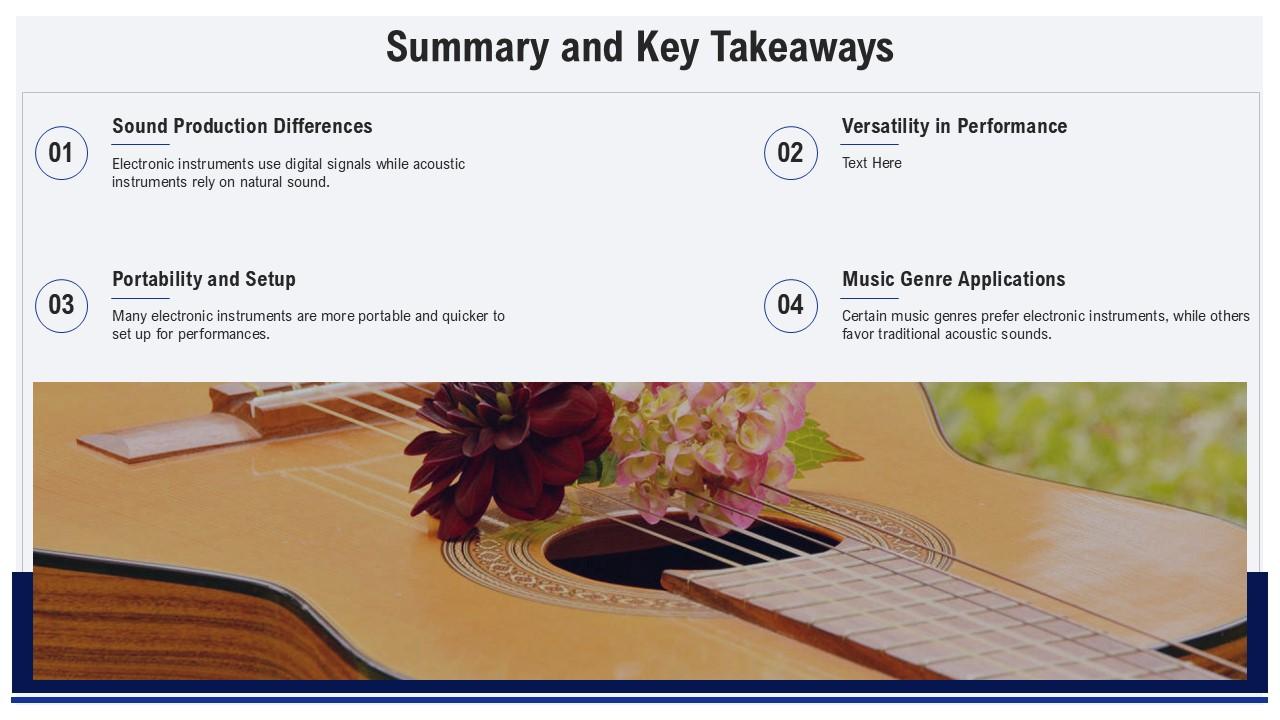
The choice between digital and acoustic instruments is often dictated by the performance context. Musicians must consider various factors, including the venue size, audience interaction, and overall sound requirements. Each instrument type brings its own unique advantages to different settings, making the understanding of these contexts crucial for optimal performance.Performance settings greatly influence the decision to use digital or acoustic instruments.
Transform your wardrobe with eco-friendly choices that make a difference. Discover the secrets of sustainable fashion in our guide on Eco-Friendly Fashion: How to Build a Sustainable Wardrobe. From selecting ethical brands to choosing timeless styles, you can curate a collection that not only looks great but also respects our planet. Step into a greener future, one outfit at a time!
Acoustic instruments are often preferred for intimate venues or classical performances where the natural sound resonates beautifully. In contrast, digital instruments shine in large venues and modern genres, where amplification and versatility are paramount. Musicians must evaluate the specific demands of the performance to select the most suitable instrument.
Comparison of Live Performances and Studio Recordings
Understanding how digital and acoustic instruments perform in different environments can guide musicians in their choices. The table below highlights their characteristics in live and studio contexts:
| Aspect | Digital Instruments | Acoustic Instruments |
|---|---|---|
| Sound Control | Highly customizable with effects and sound manipulation. | Natural sound with limited effects; relies on the acoustics of the environment. |
| Portability | Lightweight and easy to transport, often compact in size. | Heavier and bulkier; requires more effort to set up. |
| Volume Adjustability | Volume can be easily controlled through devices, suitable for larger audiences. | Volume is determined by playing technique and acoustics; can be limiting in loud venues. |
| Recording Quality | Offers pristine sound quality with easy editing and layering in studios. | Captures organic sound but may require more complex mic setups. |
| Audience Engagement | Can use visuals and technology to enhance audience interaction. | Stronger emotional connection through the authenticity of sound and live playing. |
Live performances often showcase the strengths of digital instruments in modern genres like electronic dance music (EDM) or pop, where complex soundscapes and effects are essential. For instance, a DJ set typically relies on digital synthesizers and samplers to create immersive experiences. Conversely, an acoustic guitar at a folk festival highlights the charm of organic sound, drawing audiences in with its warmth and authenticity.In the studio, digital instruments excel in versatility, allowing artists to layer sounds and experiment with various effects easily.
A pop artist might record vocals with an array of digital enhancements, while a classical ensemble captures the true essence of acoustic instruments, emphasizing their rich tones and resonance.
“Choosing the right instrument for your performance context can elevate your music to new heights.”
Accessibility and Learning
Digital instruments offer unparalleled accessibility, making them an ideal choice for beginners. With intuitive interfaces and a variety of built-in learning tools, many musicians find it easier to start their musical journey using digital technology. This modern approach allows beginners to experiment with sounds and techniques without the intimidation that can sometimes accompany traditional acoustic instruments.The learning curve associated with digital and acoustic instruments varies significantly.
Digital instruments often come equipped with features that simplify the learning process, such as chord libraries, virtual lessons, and adjustable tempo settings. On the other hand, acoustic instruments require a more traditional skill acquisition approach, focusing on technique, posture, and sound production. New musicians might benefit from structured practice schedules and methods to stay motivated.
Resources for Learning
There are numerous platforms and resources available for both digital and acoustic instruments, catering to musicians at all levels. These resources provide structured learning paths, video tutorials, and community support, making the learning experience more engaging.For digital instruments:
- Yousician: An interactive app that teaches various digital instruments with real-time feedback.
- Simply Piano: A user-friendly app designed for piano beginners with a wide array of songs.
- GarageBand: An app that allows musicians to create, record, and mix music, providing numerous tutorials and virtual instruments.
For acoustic instruments:
- Guitar Tricks: An extensive platform offering a comprehensive library of guitar lessons for all levels.
- Fender Play: An online platform for learning guitar, bass, and ukulele with structured courses.
- TakeLessons: A platform that connects students with local and online teachers for personalized lessons in various acoustic instruments.
Utilizing technology can enhance your learning experience, providing instant feedback and a wealth of resources at your fingertips.
Taking advantage of these resources and understanding the accessibility of digital instruments allows aspiring musicians to choose the right path for their musical education. Whether opting for the ease of digital instruments or the traditional appeal of acoustic ones, a wealth of learning opportunities awaits.
Innovations in Instrument Technology
The world of musical instruments is continuously evolving, driven by technological advancements that enhance performance and creativity. Innovations in digital instruments are reshaping how musicians interact with sound, while traditional acoustic instruments are also experiencing a renaissance through modern technology. This transformative wave is crucial for musicians as they make choices about their instruments based on functionality, sound, and accessibility.
Current Trends and Innovations in Digital Instruments
Recent innovations in digital instruments have expanded their functionality, allowing musicians to explore new realms of creativity. These advancements include:
- Smart Technology: Many digital instruments now incorporate smart technology, such as built-in learning systems and connectivity to apps. This allows users to access tutorials, play-along tracks, and even interactive lessons that adapt to their skill levels.
- Enhanced Sound Libraries: Digital instruments come with extensive sound libraries that feature a wide variety of instrument sounds, from traditional orchestral tones to modern synths. These libraries provide musicians with virtually limitless options for sound creation.
- Real-Time Effects Processing: Innovations in digital signal processing enable musicians to apply effects in real-time. This allows for dynamic performances where effects can be altered on the fly, enhancing the overall listening experience.
- Portability and Accessibility: Digital instruments are often lightweight and battery-operated, making them ideal for musicians on the go. Their accessibility has opened up opportunities for musicians in various environments, from street performances to intimate gatherings.
Evolving Acoustic Instruments with Modern Technology, Digital vs Acoustic Instruments: Which One Is Better for Musicians?
While acoustic instruments are rooted in tradition, they are also evolving through modern technology. Innovations in materials and design have led to substantial improvements:
- Advanced Materials: The use of carbon fiber and synthetic materials in the construction of acoustic instruments, such as guitars and violins, offers greater durability and weather resistance, making them suitable for diverse performance conditions.
- Electronic Enhancements: Many acoustic instruments now incorporate electronic pickups or microphones that amplify sound without losing the natural timbre. This hybrid approach provides versatility that appeals to modern musicians.
- Digital Interfaces: Some traditional instruments come equipped with digital interfaces that allow for seamless integration into recording and performance setups. This enables musicians to enhance their sound while maintaining the authenticity of the acoustic experience.
Future Developments Influencing Musicians’ Choices
As technology continues to advance, the future of musical instruments holds promising developments that are likely to influence musicians’ choices significantly:
- Artificial Intelligence: AI-driven instruments and software may soon enable tailored experiences where music is created in collaboration with algorithms, offering personalized compositions and arrangements based on user preferences.
- Augmented and Virtual Reality: AR and VR technologies are opening new avenues for immersive musical experiences. Musicians may soon find themselves performing in virtual environments or using augmented reality to visualize sound and music theory.
- 3D Printing: This technology is revolutionizing how instruments are made, allowing for custom designs that cater to individual preferences. Musicians could potentially create unique instruments that reflect their personal style and sound.
Personal Preference and Musical Style
Musicians are defined not only by their technical skills but also by their unique personal styles, which significantly influence their choice between digital and acoustic instruments. The emotional connection to an instrument often stems from the genre of music they love to create, the cultural background they come from, and the sound they envision in their minds. This interplay between personal preference and musical style is crucial in determining which type of instrument resonates most with a musician.Different genres of music often call for different instrumental sounds and playing techniques, which can sway a musician’s preference.
For instance, a jazz musician may prefer the warm tones of an acoustic piano, while an electronic music producer might lean towards synthesizers and digital audio workstations to craft their sound. Furthermore, personal experiences and cultural influences play a significant role in these preferences, shaping a musician’s identity and style.
Evaluating Instrument Preferences
Understanding a musician’s preferences regarding digital and acoustic instruments can be greatly enhanced through a reflective survey. The following list serves as a guide for musicians to evaluate their inclinations:
- Favorite Genre: Identify the primary genre you play (e.g., jazz, rock, classical, electronic).
- Sound Preference: Do you prefer the warmth and natural resonance of acoustic instruments or the versatility and customization of digital sounds?
- Performance Setting: Consider where you mostly perform—live venues, recording studios, or home setups. How does this influence your choice?
- Learning Style: Evaluate your approach to learning new instruments. Do you prefer traditional methods or digital tutorials and apps?
- Cultural Influences: Reflect on how your cultural background impacts your instrument choice. Are there traditional instruments that hold significance for you?
The relationship between cultural influences and instrument choice is profound. Musicians often gravitate towards instruments that reflect their heritage or resonate with their life experiences. For example, a musician from a Latin American background may have a strong affinity for acoustic guitars or percussion instruments, while a DJ in an urban setting might prefer digital controllers that allow for live remixing.
This cultural lens not only influences the choice of instruments but also shapes the very essence of the music being created.
“Musical preference is not just an artistic choice; it is a reflection of one’s experience, culture, and personal journey.”
Cost Considerations
Purchasing musical instruments involves careful budgeting and understanding the financial implications. Both digital and acoustic instruments have distinct price ranges, which can significantly affect a musician’s choice. This section will delve into the cost differences between these two categories and provide insights into long-term investment considerations for musicians.The cost of instruments can vary widely depending on the type, quality, and brand.
Digital instruments often feature a range of price points that cater to various budgets, whereas acoustic instruments typically involve higher initial costs due to materials and craftsmanship.
Price Comparison of Instruments
Understanding the price spectrum is crucial for a musician when deciding on an instrument. Below is a comparison table that Artikels the price range of popular instruments from both digital and acoustic categories:
| Instrument Type | Instrument | Price Range (USD) |
|---|---|---|
| Digital | Synthesizer | $300 – $3,000 |
| Digital | Digital Piano | $500 – $2,500 |
| Digital | Electronic Drums | $400 – $2,000 |
| Acoustic | Grand Piano | $3,000 – $100,000 |
| Acoustic | Guitar | $200 – $5,000 |
| Acoustic | Violin | $100 – $10,000 |
The long-term investment considerations for musicians extend beyond the initial purchase price. Acoustic instruments often require regular maintenance to keep them in excellent playing condition, which can add to the overall cost. For example, stringed instruments may need new strings, adjustments, or even professional repairs over time. In contrast, digital instruments tend to incur lower maintenance costs, primarily related to software updates and occasional hardware replacements.
“Investing in quality instruments leads to better sound and longevity, making it crucial to weigh initial costs against future expenses.”
Ultimately, choosing between digital and acoustic instruments involves weighing immediate costs against potential long-term financial commitments. Musicians should consider their playing style, performance needs, and willingness to invest in maintenance or upgrades when making their decision.
Popular Questions
What are the main advantages of digital instruments?
Digital instruments offer versatility, portability, and an extensive range of sounds, making them ideal for modern music production.
How do acoustic instruments contribute to live performances?
Acoustic instruments provide a rich and organic sound that enhances the authenticity of live performances, often creating a deeper emotional connection with the audience.
Are digital instruments suitable for beginners?
Yes, digital instruments are often more accessible for beginners due to their ease of use and availability of learning resources.
Can acoustic instruments be used for recording music?
Absolutely! Acoustic instruments are frequently used in studio recordings for their unique tonal qualities and warmth.
What should musicians consider when choosing between the two?
Musicians should consider their personal style, performance context, budget, and the specific sound they wish to achieve when choosing between digital and acoustic instruments.